


3-7 Years
Useful Links
Pre Prep
This Week at St Faith’s
We Will Remember Them
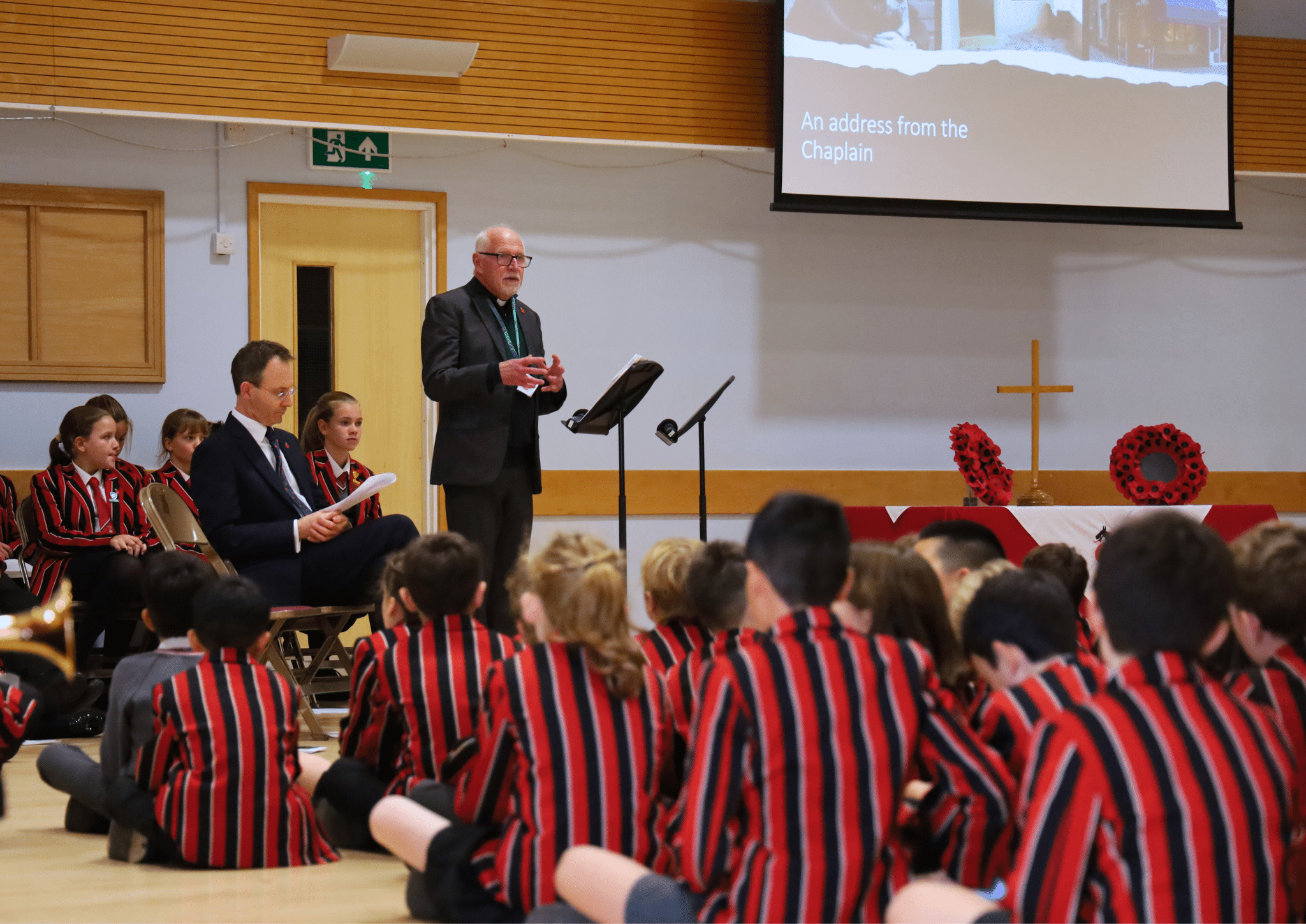
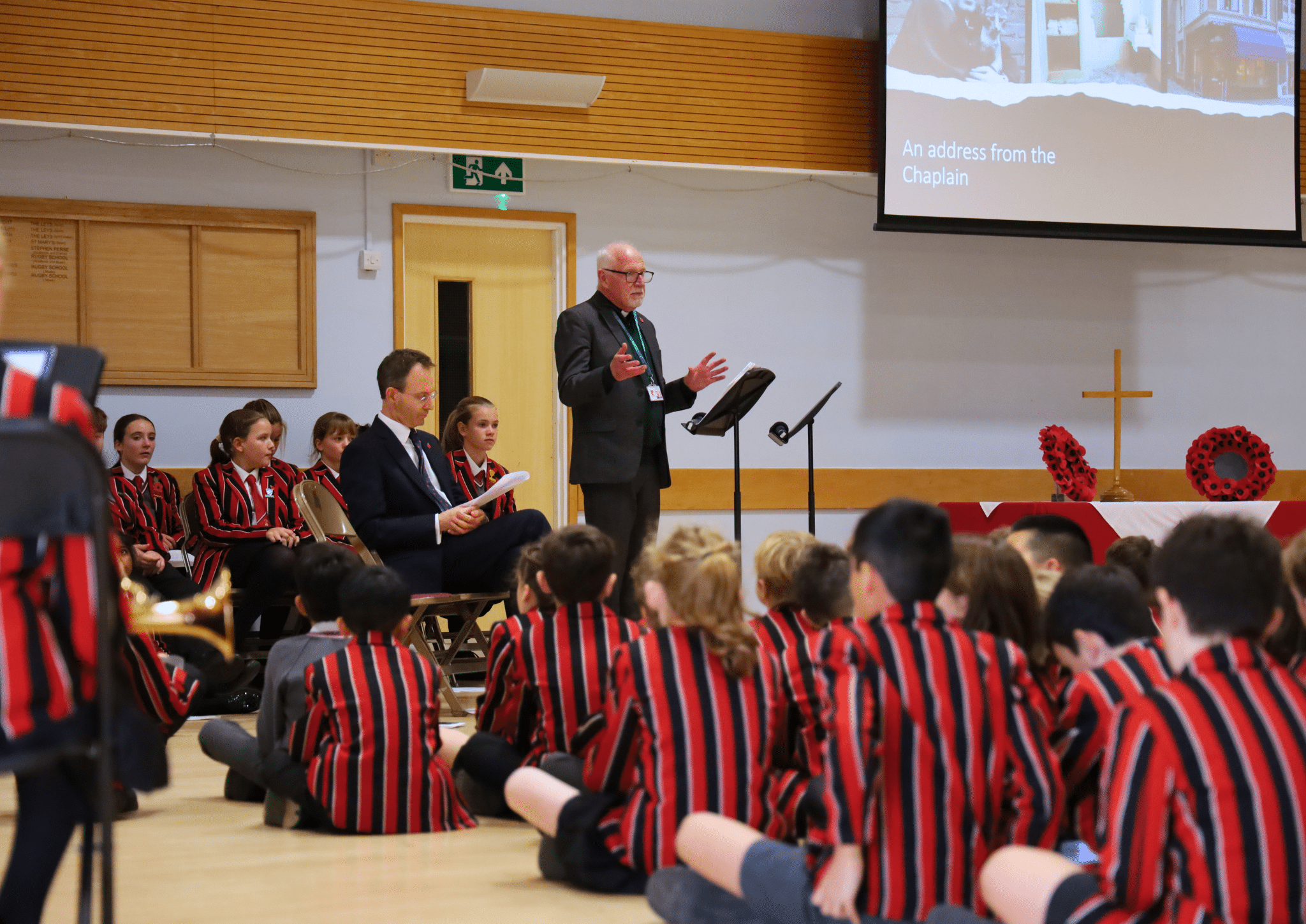
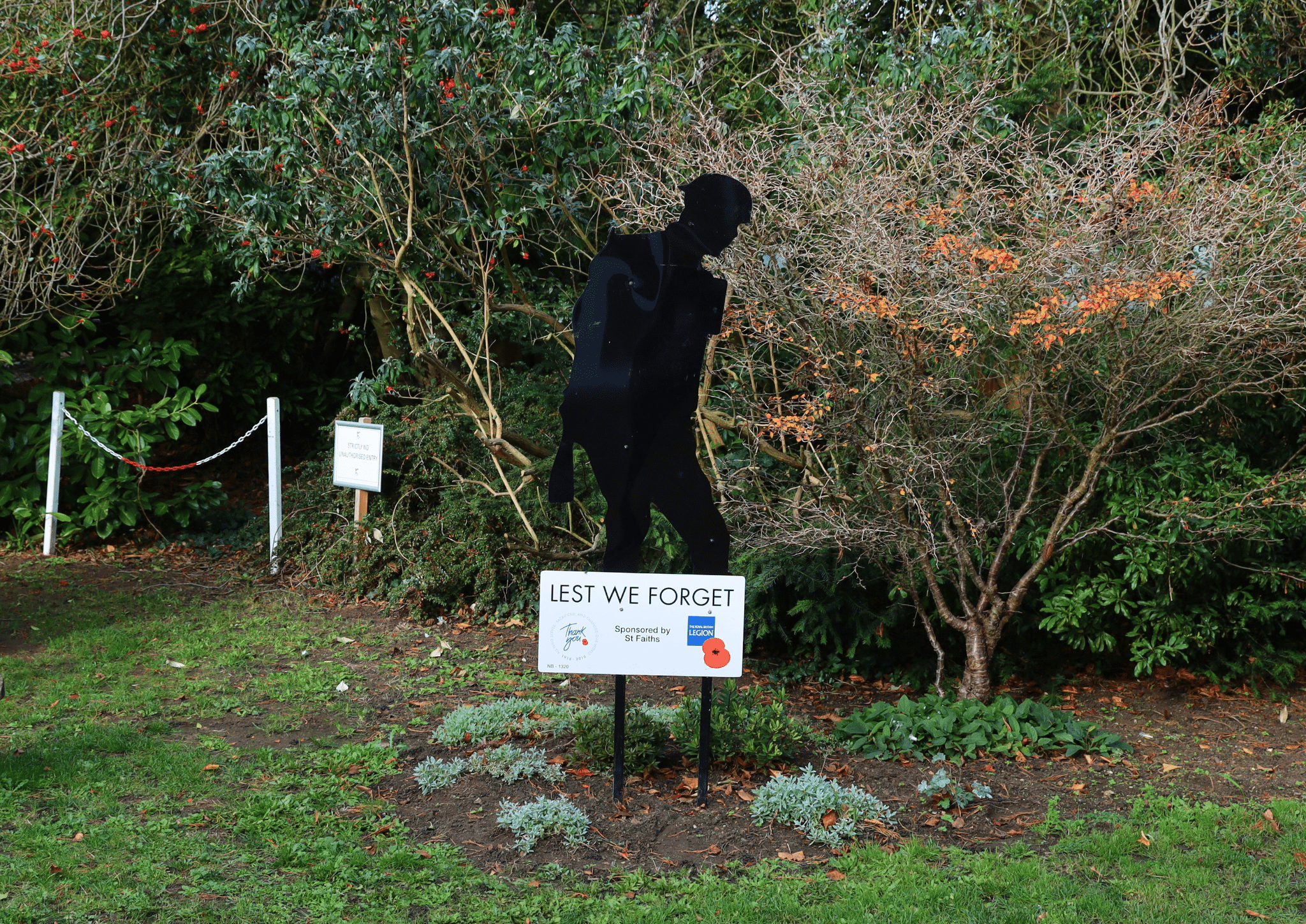
This week, the St Faith’s community came together for a moving Service of Remembrance, providing an opportunity for pupils and staff to pause, reflect and remember those who have lost their lives through conflict around the world.
As part of the service, our House Captains laid two wreaths, while the Chamber Choir sang a beautiful setting of the Nunc Dimittis by composer Sydney Watson. Pupils also gave readings from the Gospel of St John and the Book of Revelation.
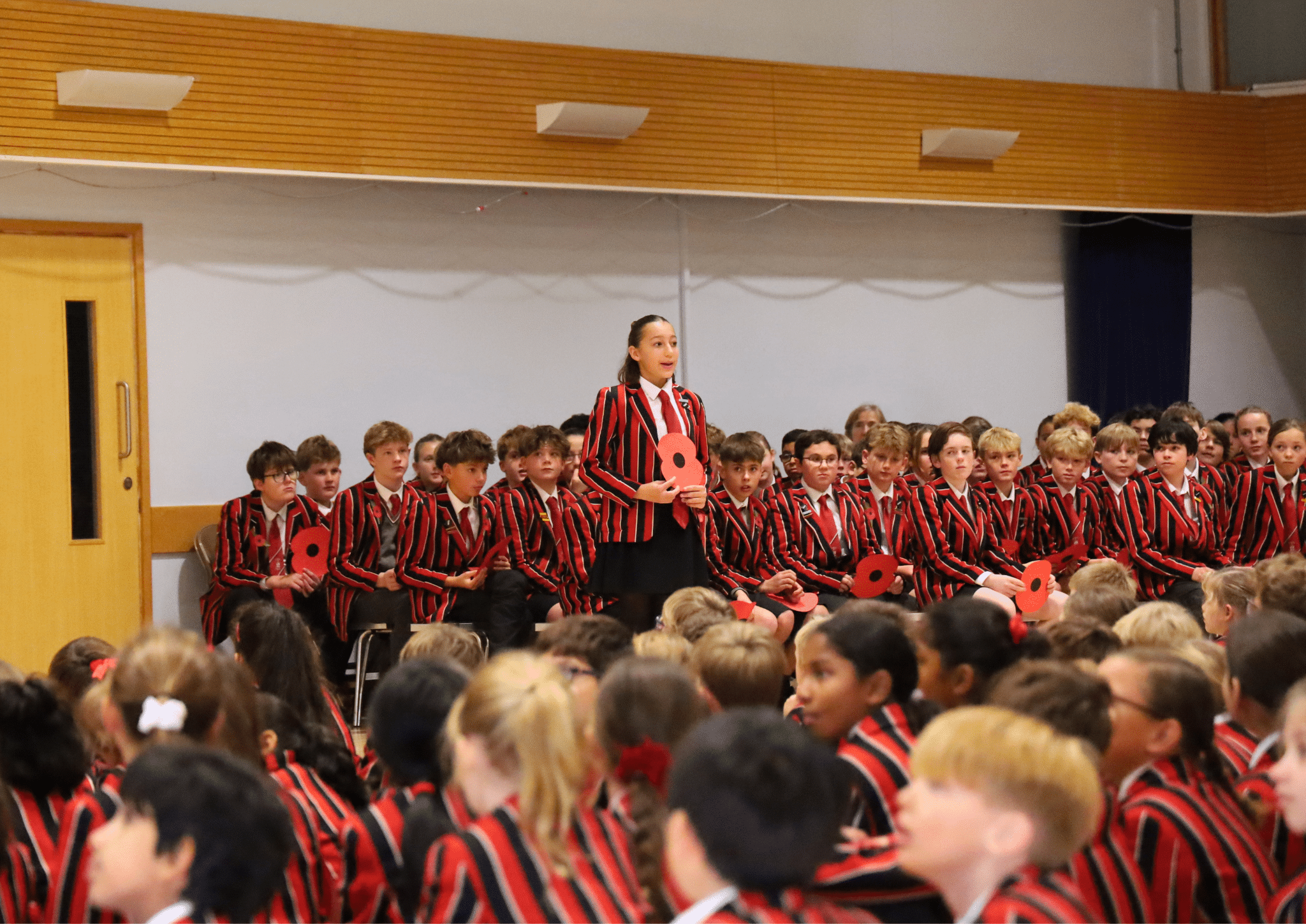
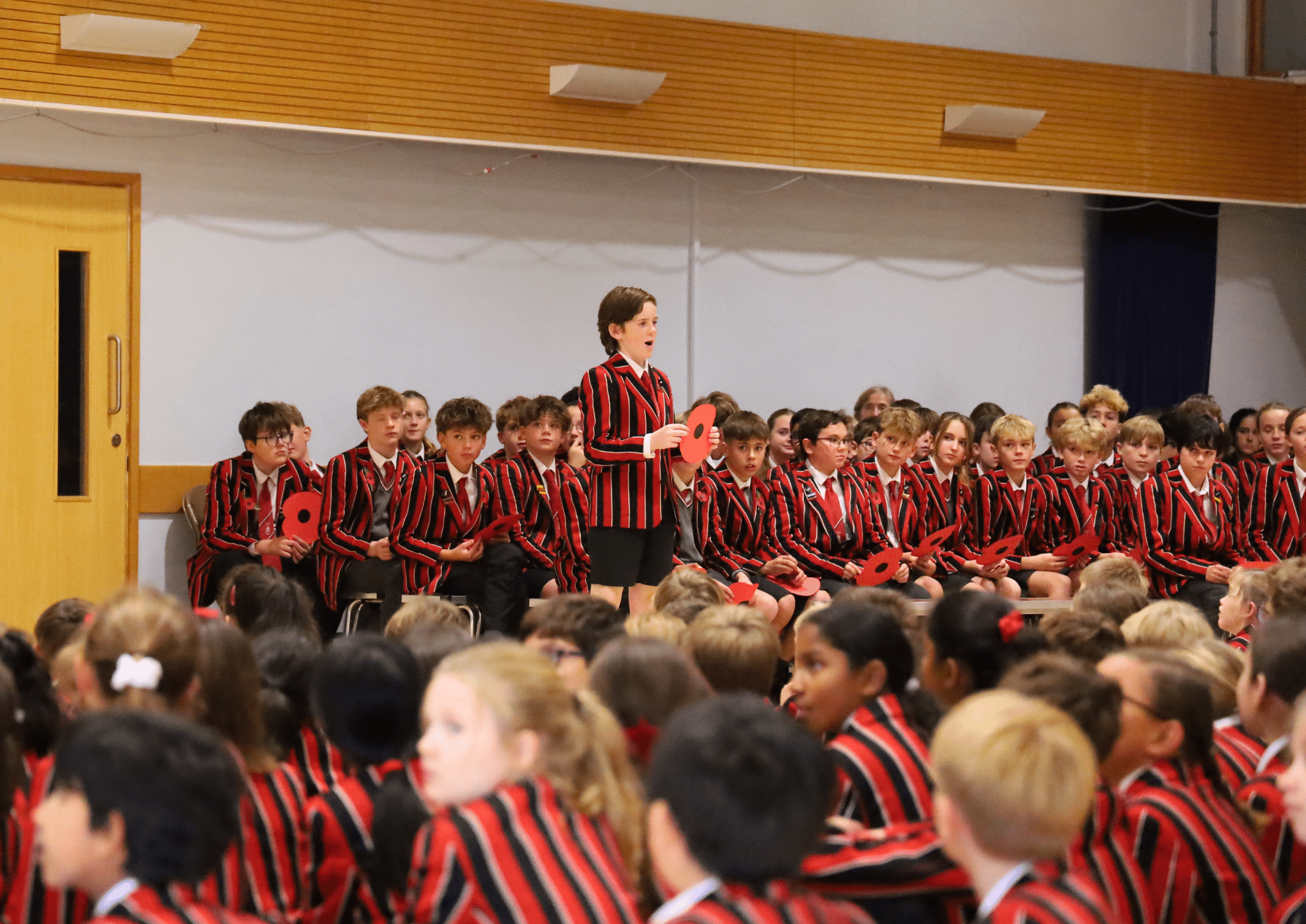
A particularly poignant moment came when Year 8 pupils, each holding a poppy, read aloud the names of Old Fidelians who lost their lives in conflict. This personal connection with former members of the St Faith’s community reminded pupils that behind every name is an individual life, family and story.
The Foundation Chaplain, Reverend Simon Coleman, gave the address, sharing the remarkable story of Corrie ten Boom, whose family helped Jewish people escape Nazi persecution in the Netherlands by sheltering them in a secret hiding place in their home. After the family was betrayed and arrested, Corrie survived imprisonment and, following the war, dedicated much of her life to spreading a message of peace, forgiveness and reconciliation.
Her story provided a fitting focus for our Remembrance Service, encouraging pupils to consider not only the sacrifices of the past, but also the courage, compassion and humanity that individuals can show during the most difficult of times.
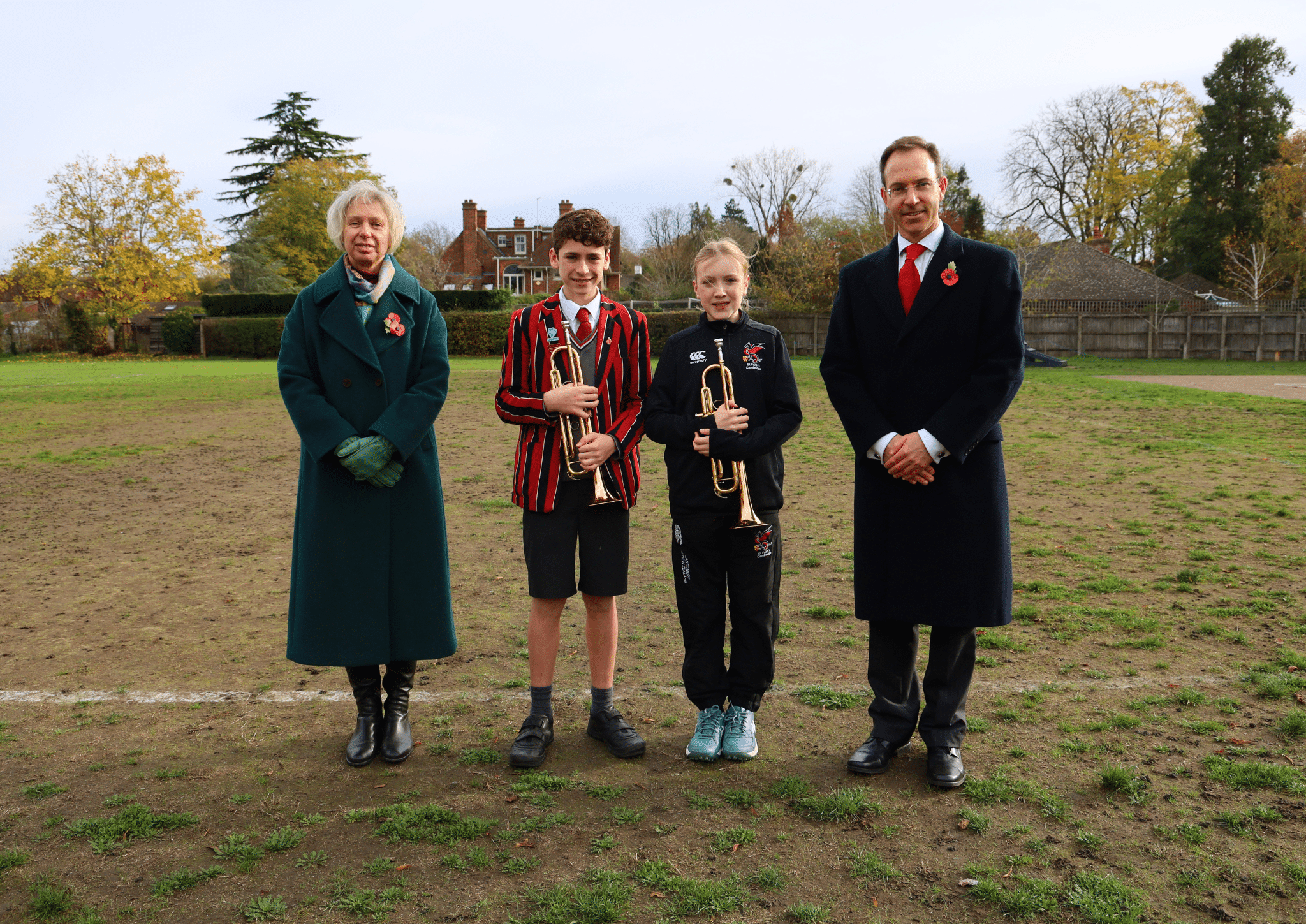
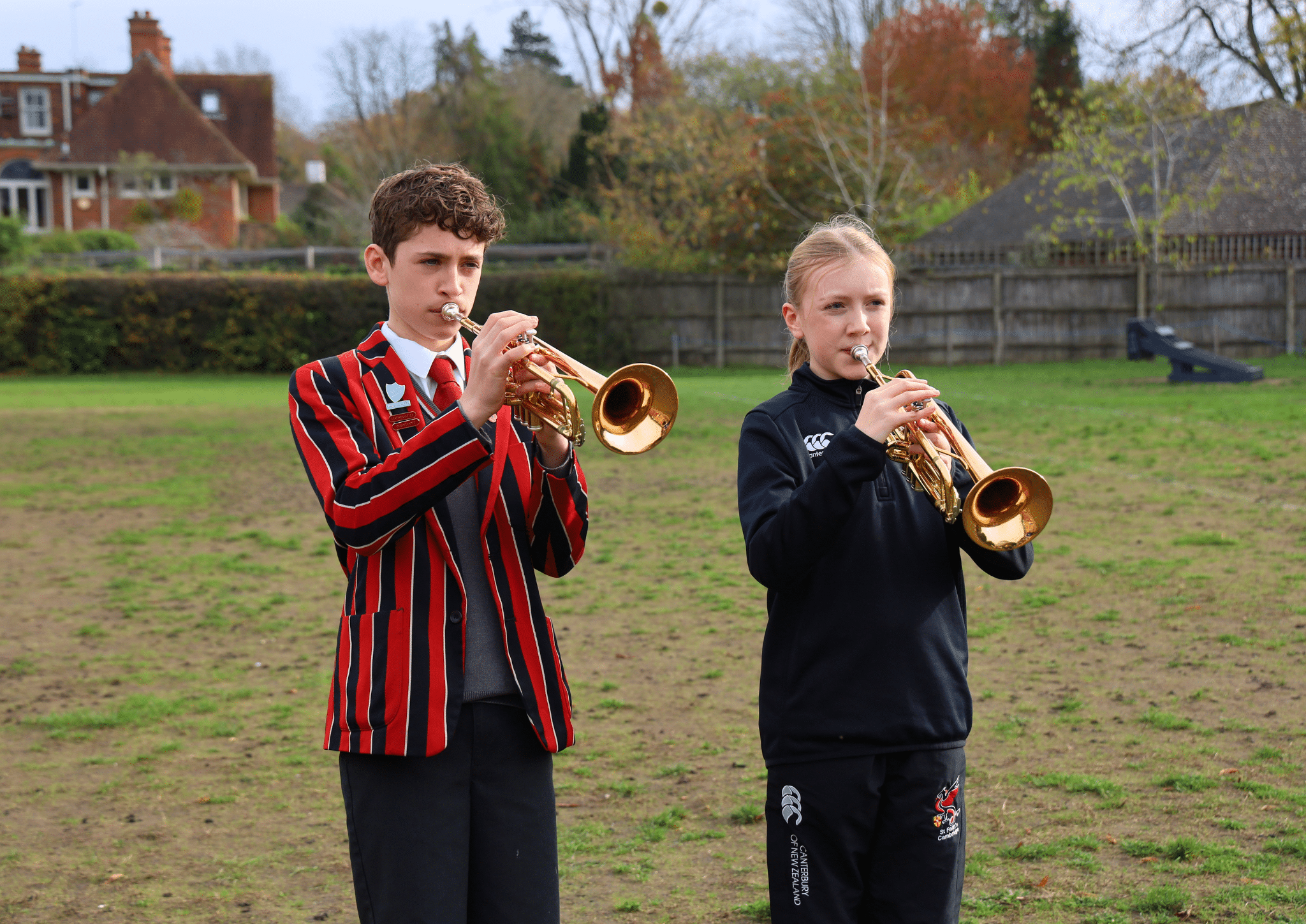
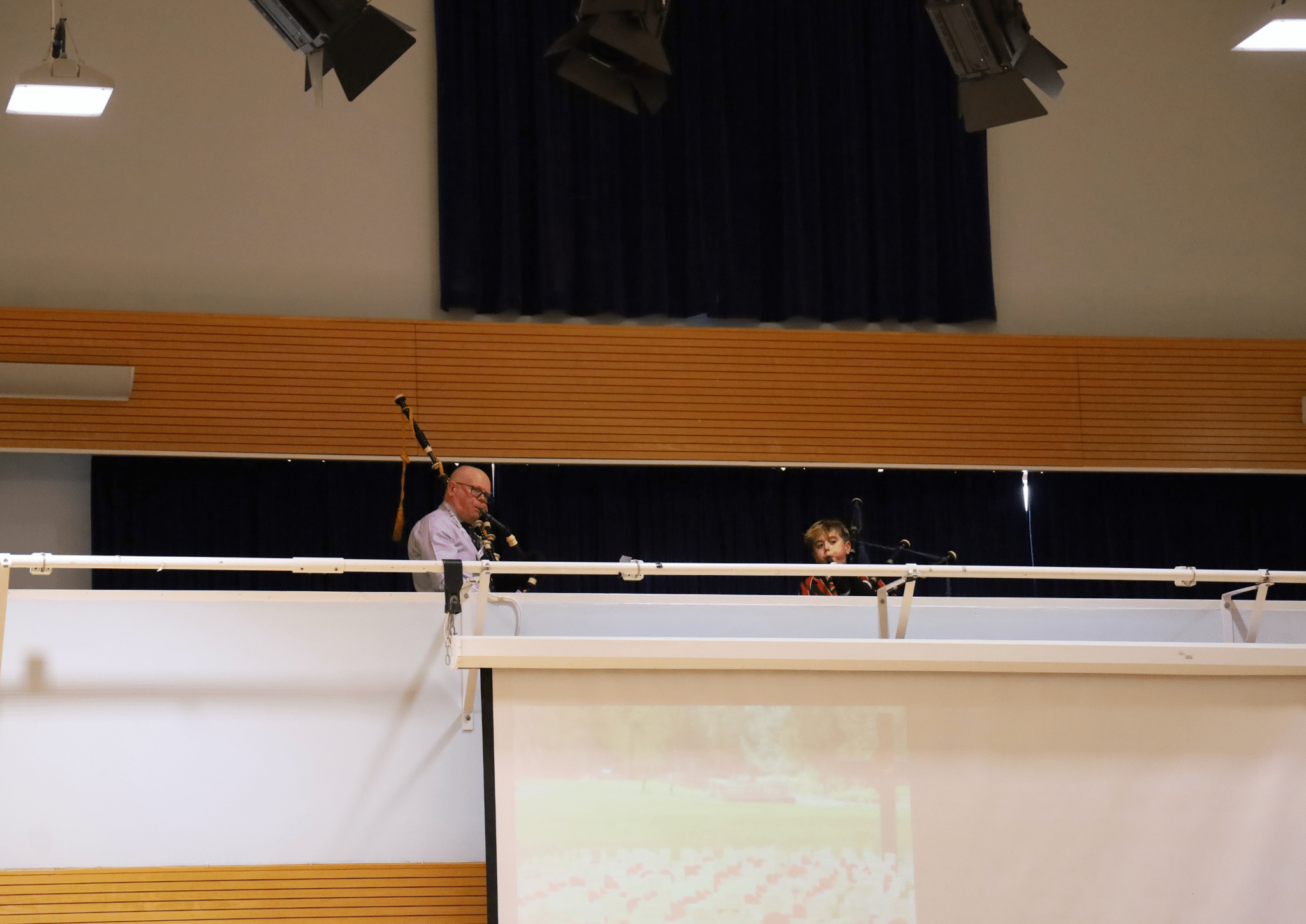
The service concluded with the playing of The Last Post, followed by the traditional two minute’s silence, during which the St Faith’s community joined together in quiet remembrance. The silence was brought to a close by the playing of Reveille, providing a dignified end to the service.
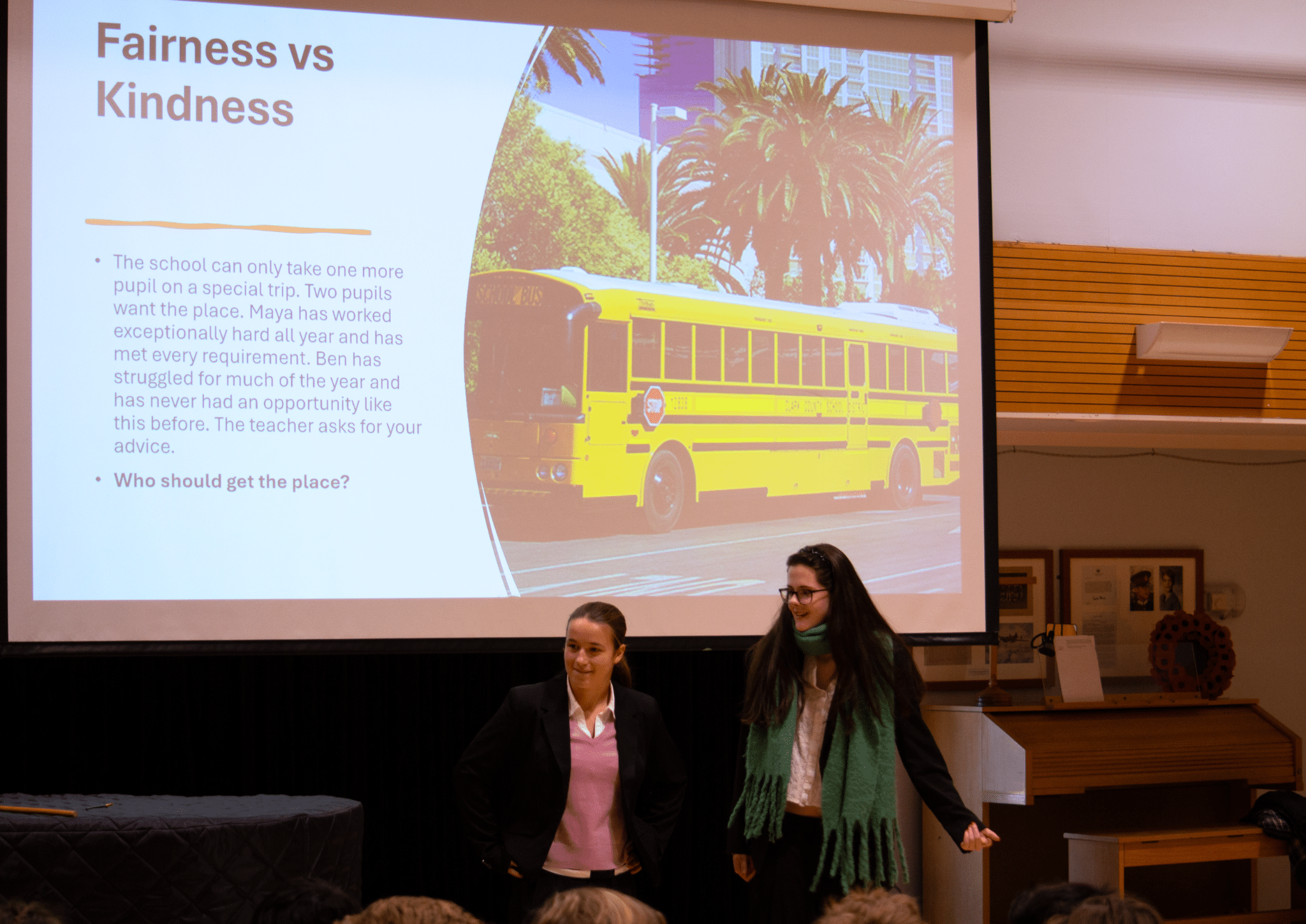
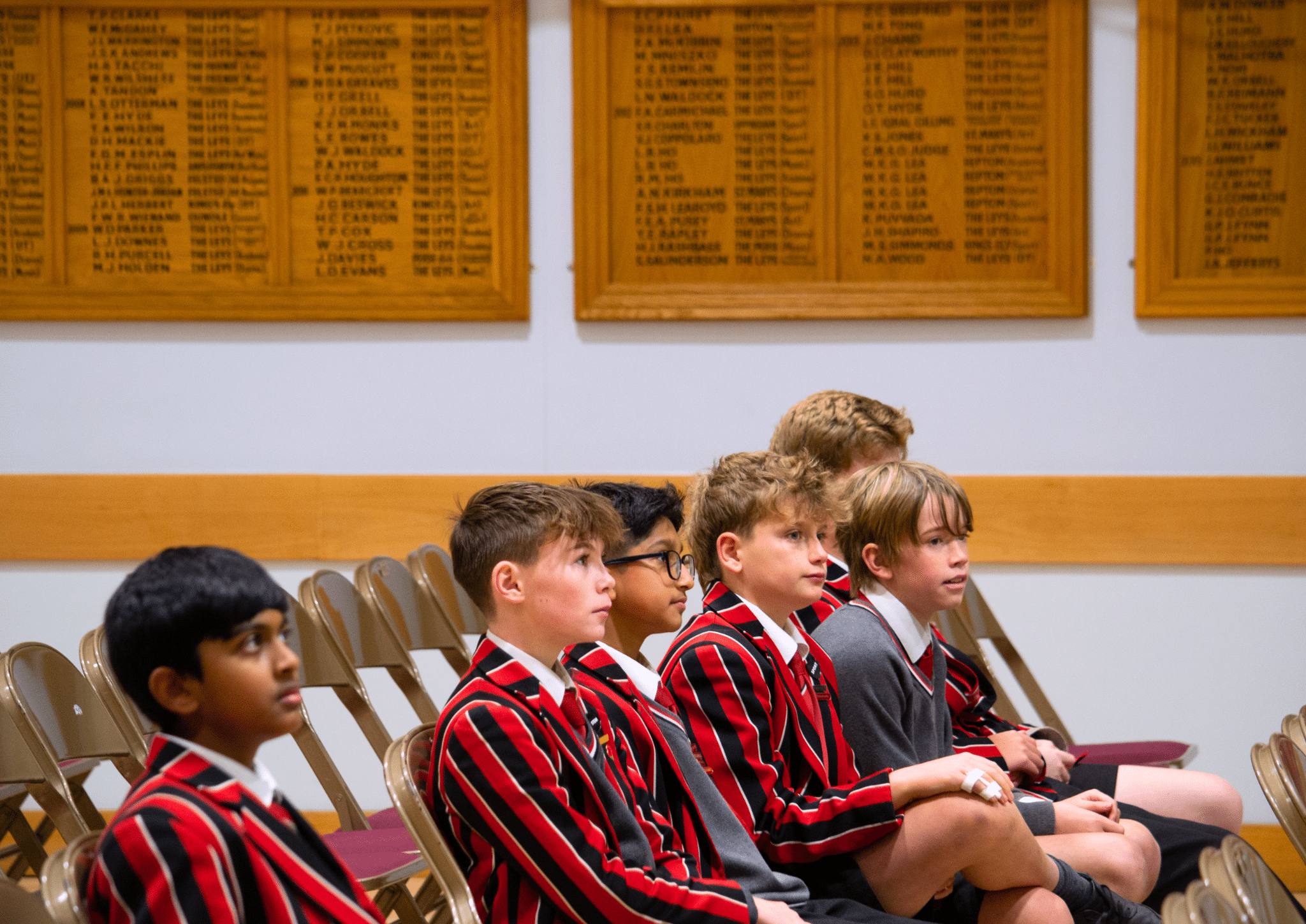
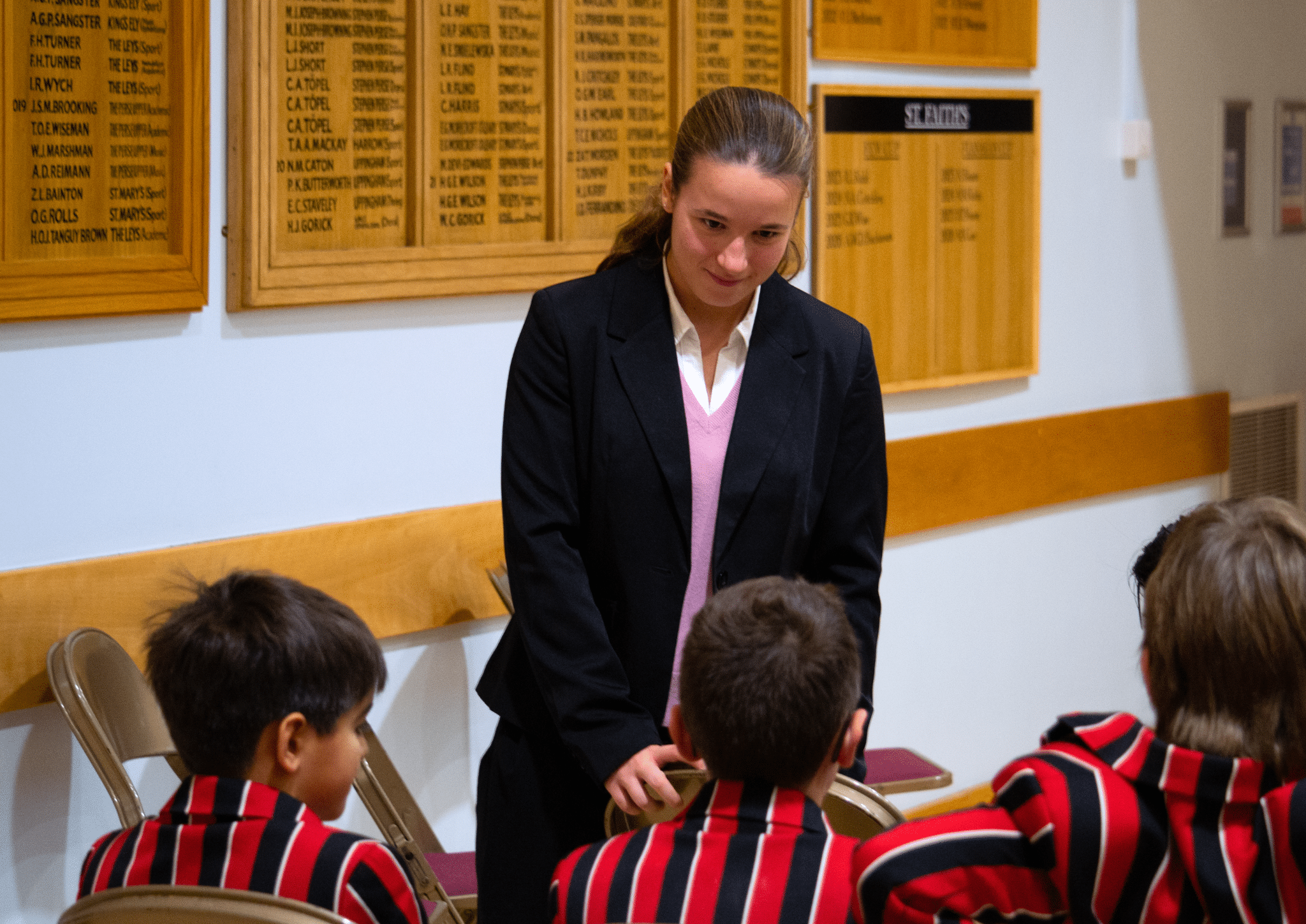
What Would You Do? Adventures in Situational Ethics
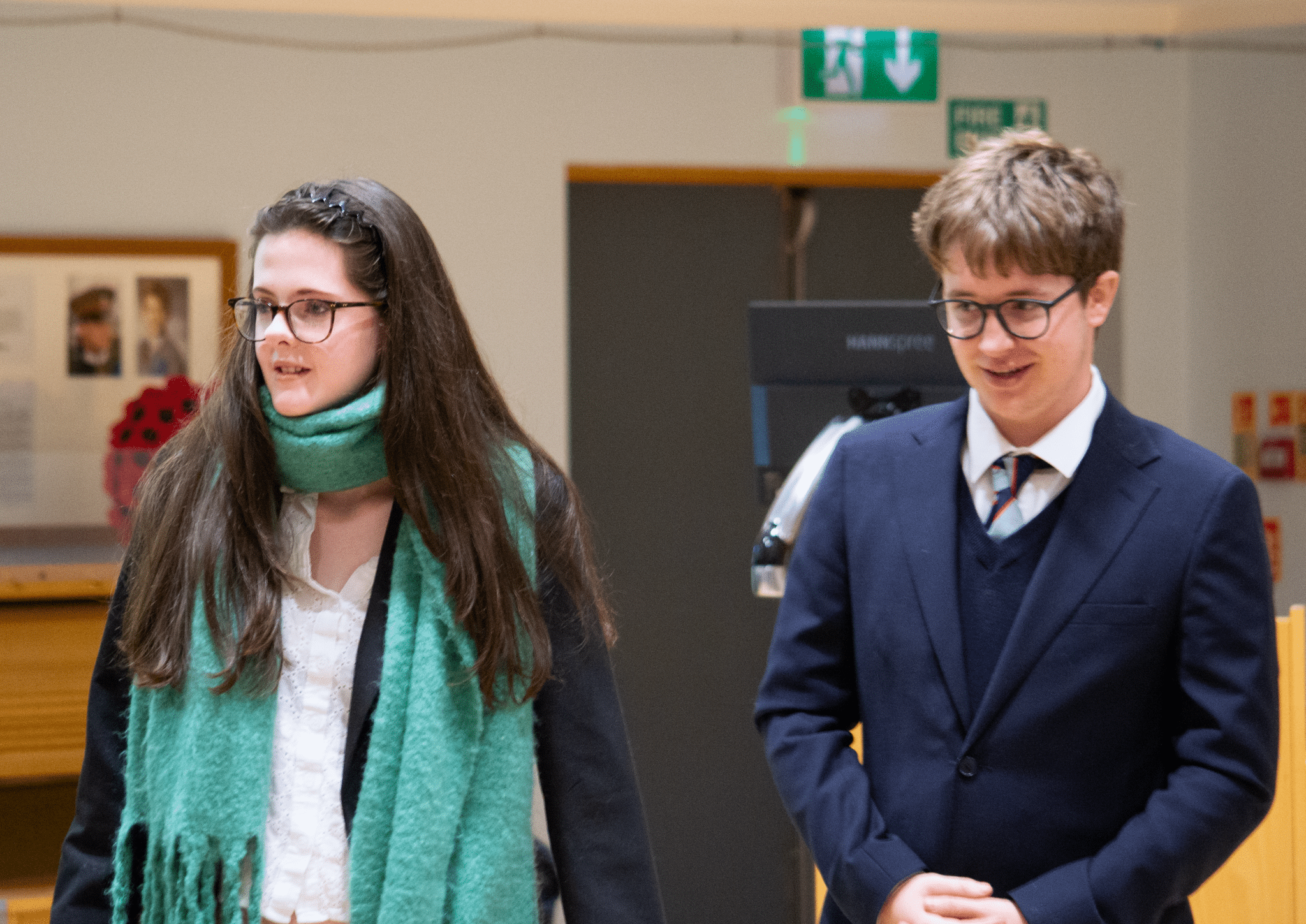
On Thursday, we welcomed four Sixth Form pupils from The Leys, one of whom was an Old Fidelian, to lead our first C Cubed lunchtime talk of the term.
- What is more important: fairness or kindness?
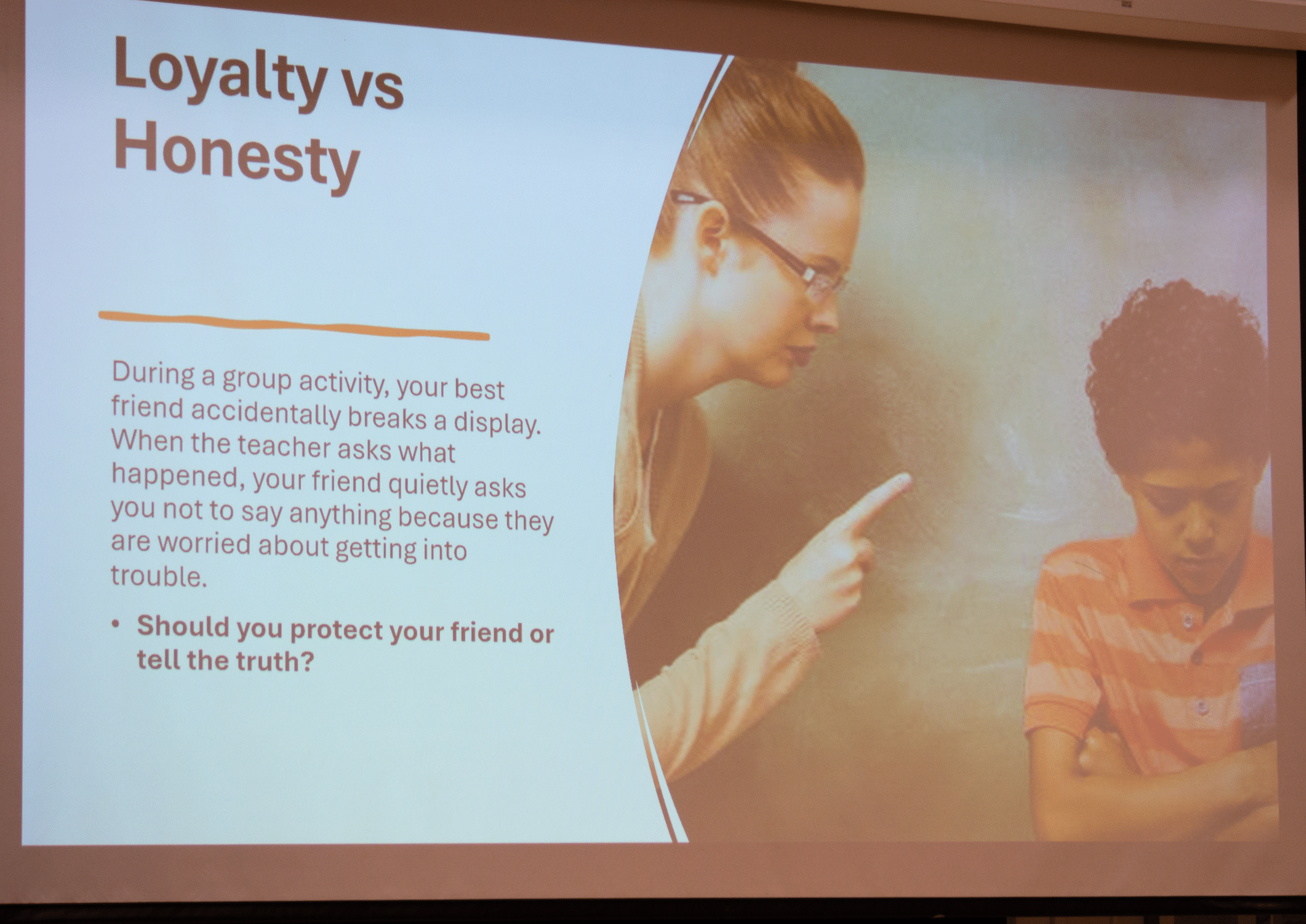
- Should you always tell the truth, even if it means getting a friend into trouble?
- When rules and compassion point us towards different answers, how do we decide what is right?
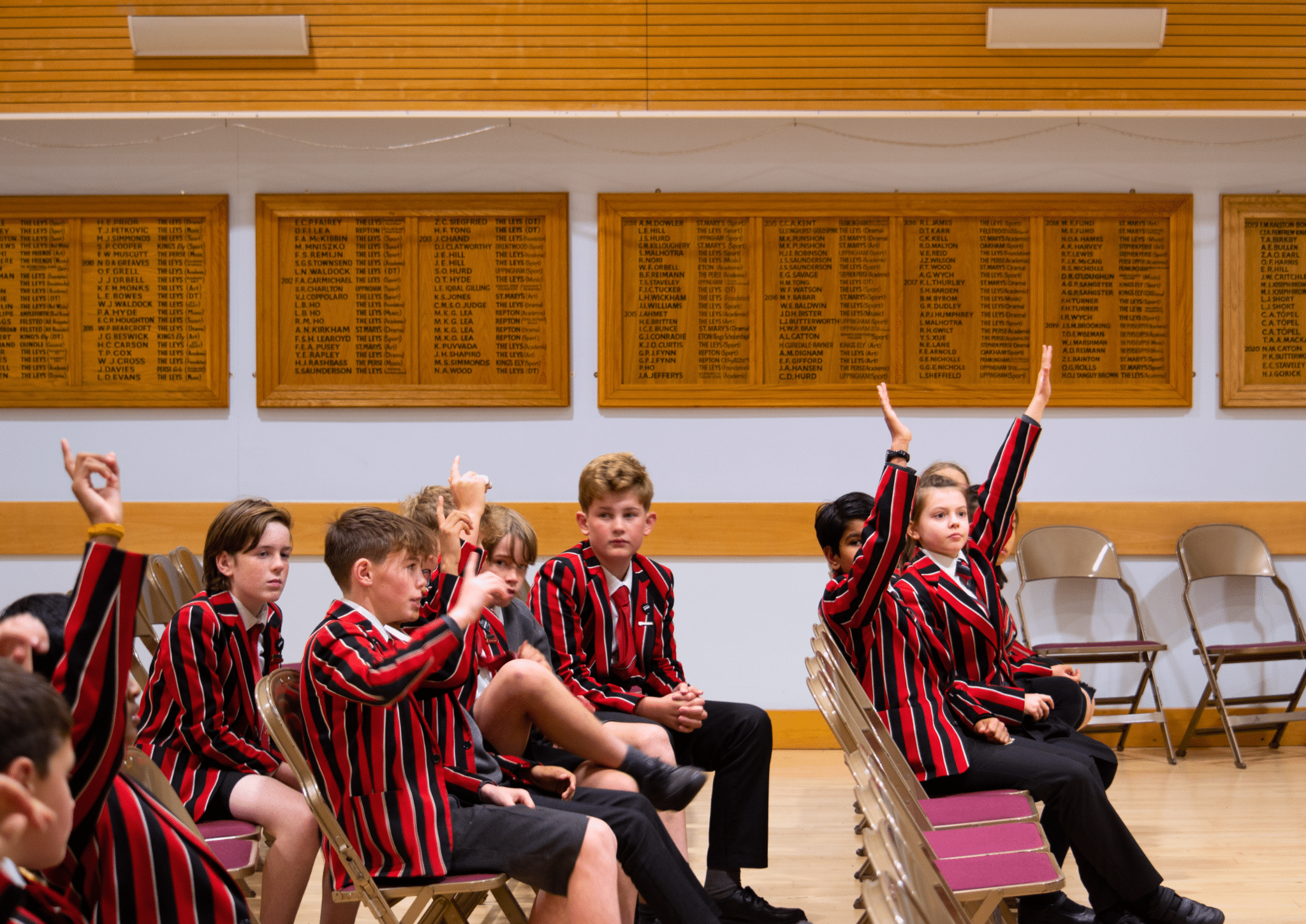
These were just some of the thought-provoking questions explored by pupils during the 40-minute session. C Cubed places Curiosity, Connection and Creativity at the heart of discussion and provides pupils with opportunities to grapple with ideas that do not always have an obvious answer.
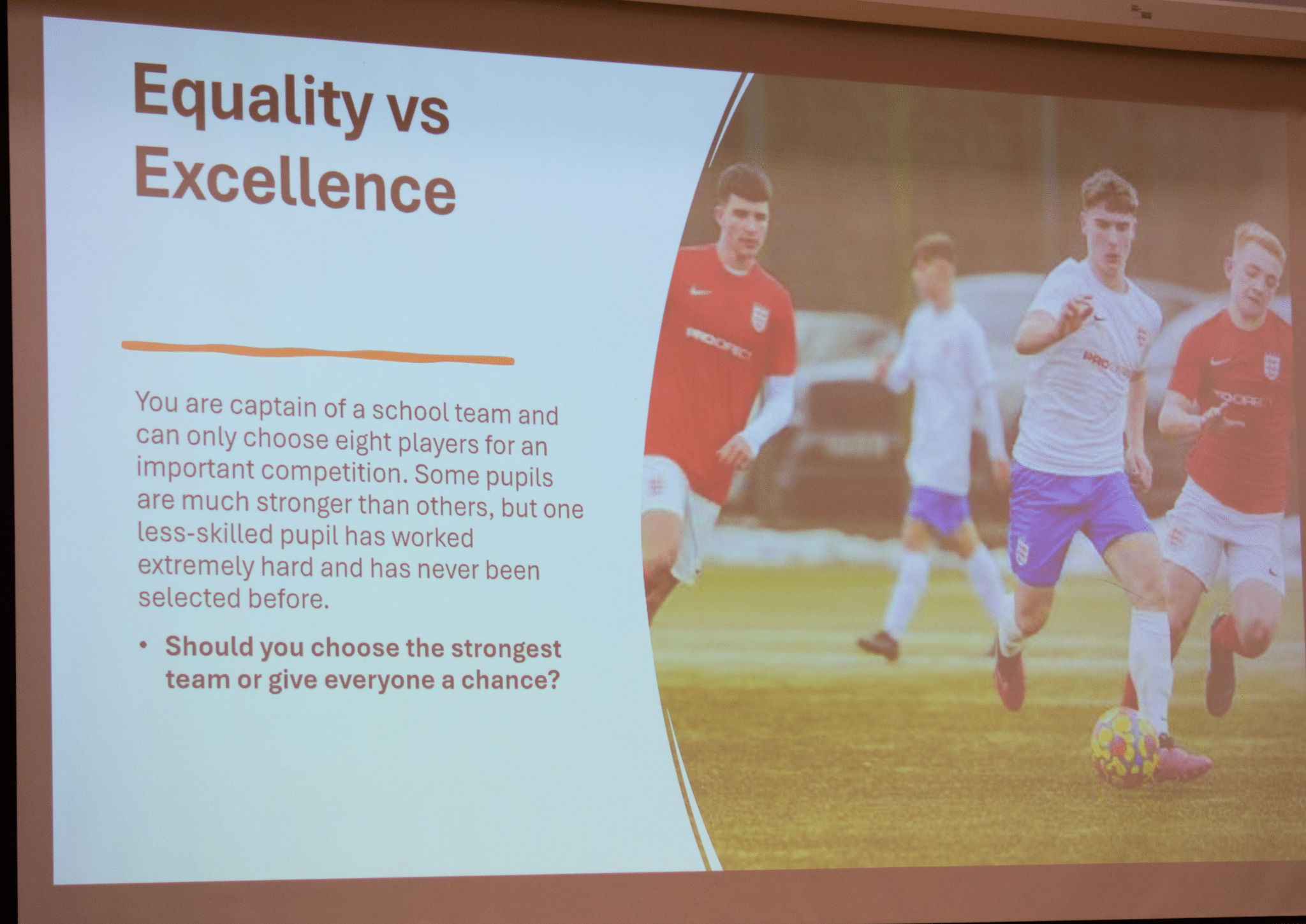
The session, entitled What Would You Do?, challenged pupils to look more closely at the way we make difficult decisions. As a starting point, The Leys pupils outlined dilemmas for discussion. Pupils were then asked to consider three different approaches to making decisions before being introduced to their philosophical names: consequentialism, which considers the results of our actions; deontology, which asks what the right thing to do is regardless of the outcome; and virtue ethics, which encourages us to consider the kind of person we want to be.
The questions became increasingly nuanced, exploring concepts such as fairness versus kindness, loyalty versus honesty, equality versus excellence and rules versus compassion. Rather than searching for a single ‘correct’ answer, pupils were encouraged to apply each philosophical approach, listen to different points of view and consider how changing their perspective might also change their decision.
The session concluded with perhaps the biggest question of all: ‘What kind of a thinker are you?’
- What will be the results of my actions?
- What is the right thing to do, regardless of the results?
- What kind of person do I want to be?
Opportunities such as C Cubed encourage pupils to look beyond straightforward answers. By questioning assumptions, considering different viewpoints and learning to explain the reasoning behind their choices, pupils develop confidence in engaging with complex ideas and recognising that some of the most interesting questions are those for which there is no easy answer.
Colour, Creativity and the Natural World
Ms Ankin writes,
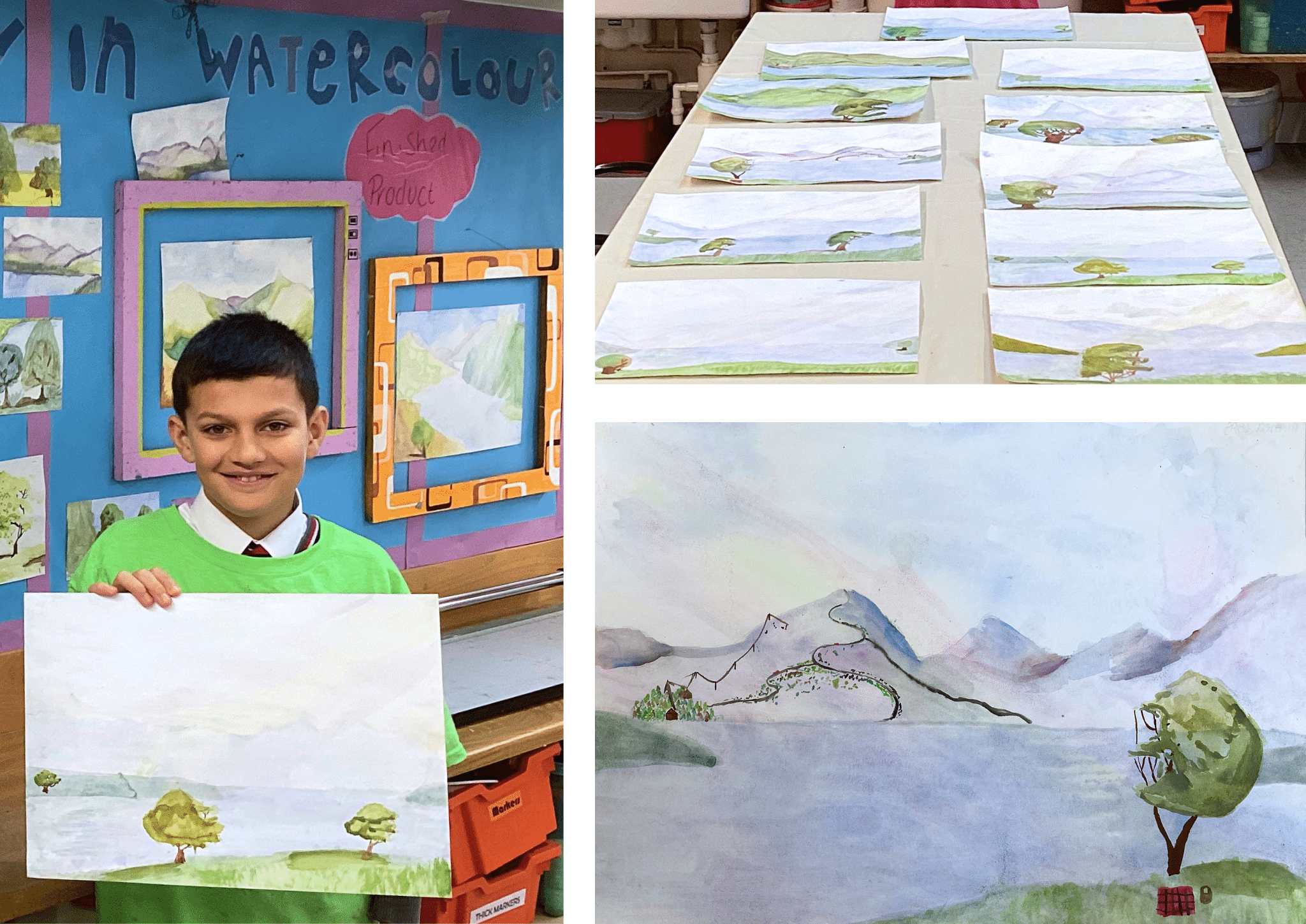
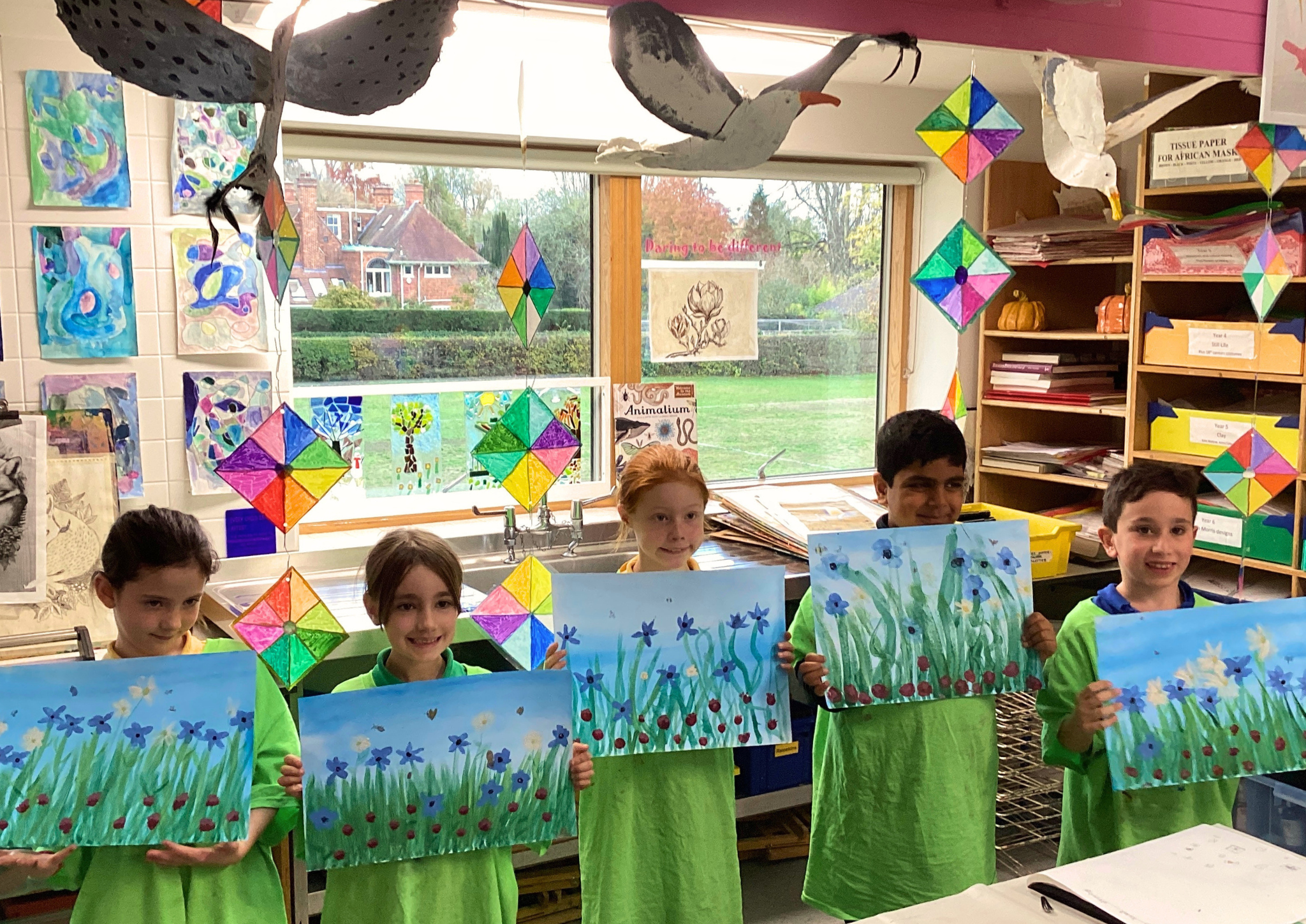
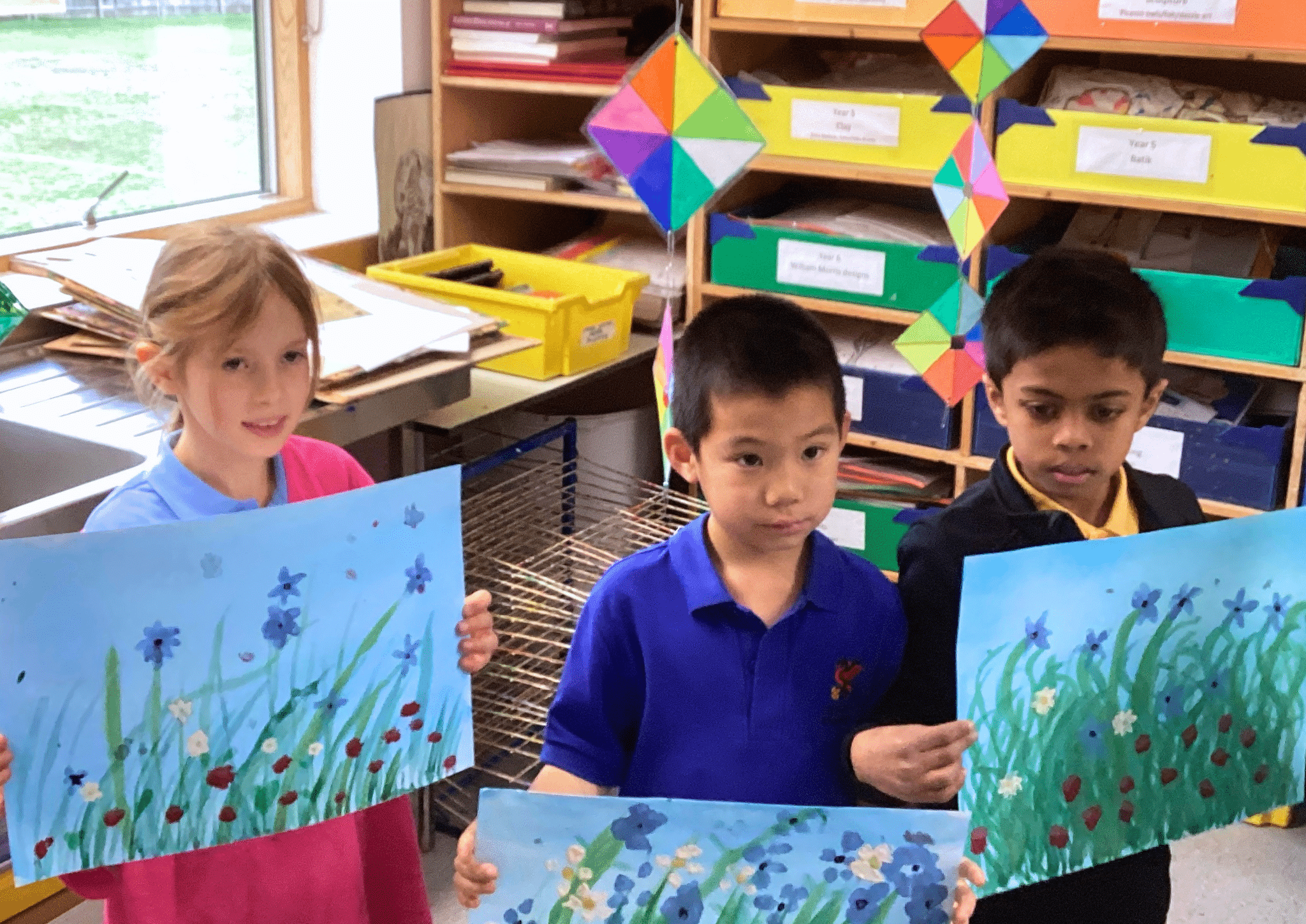
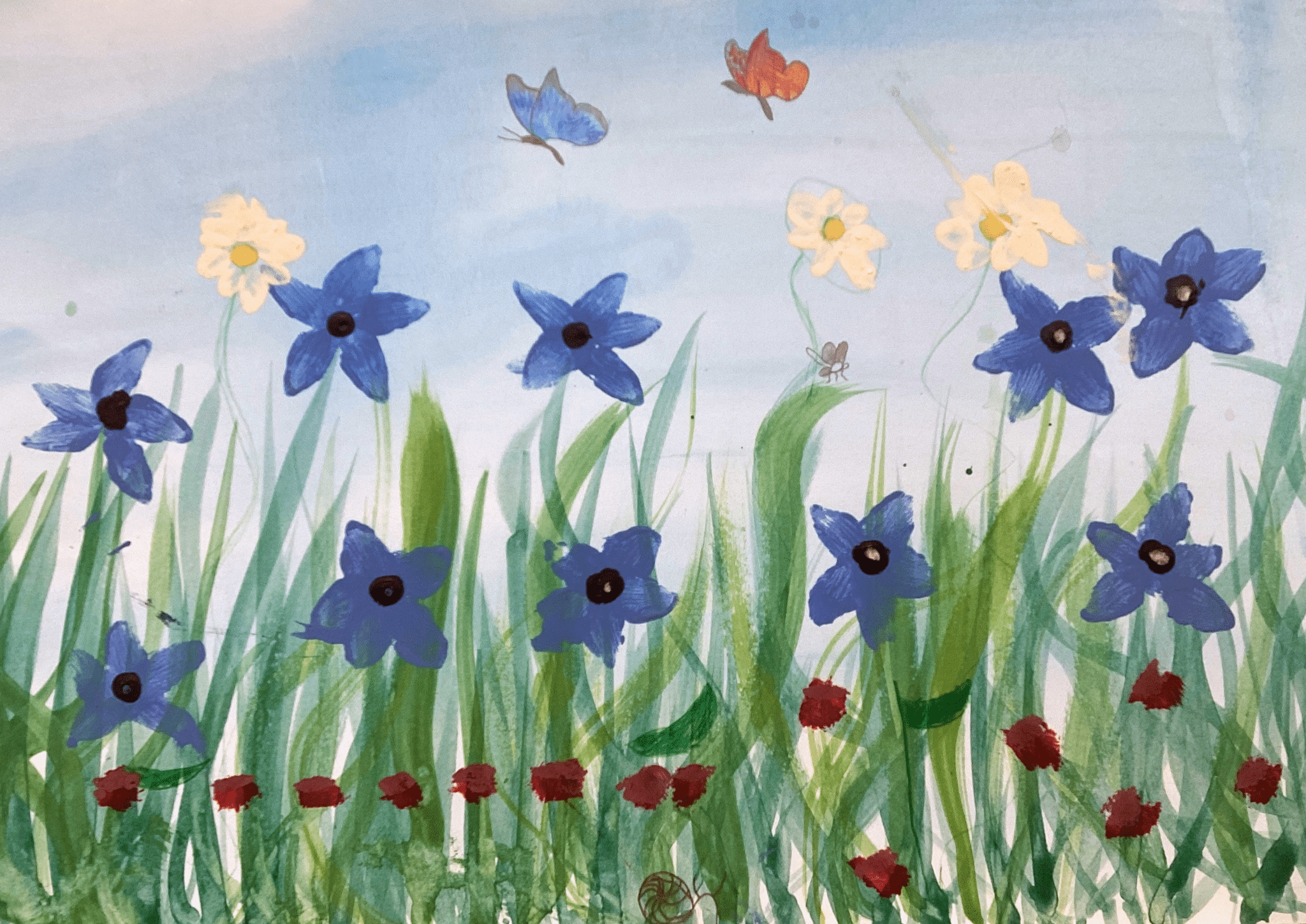
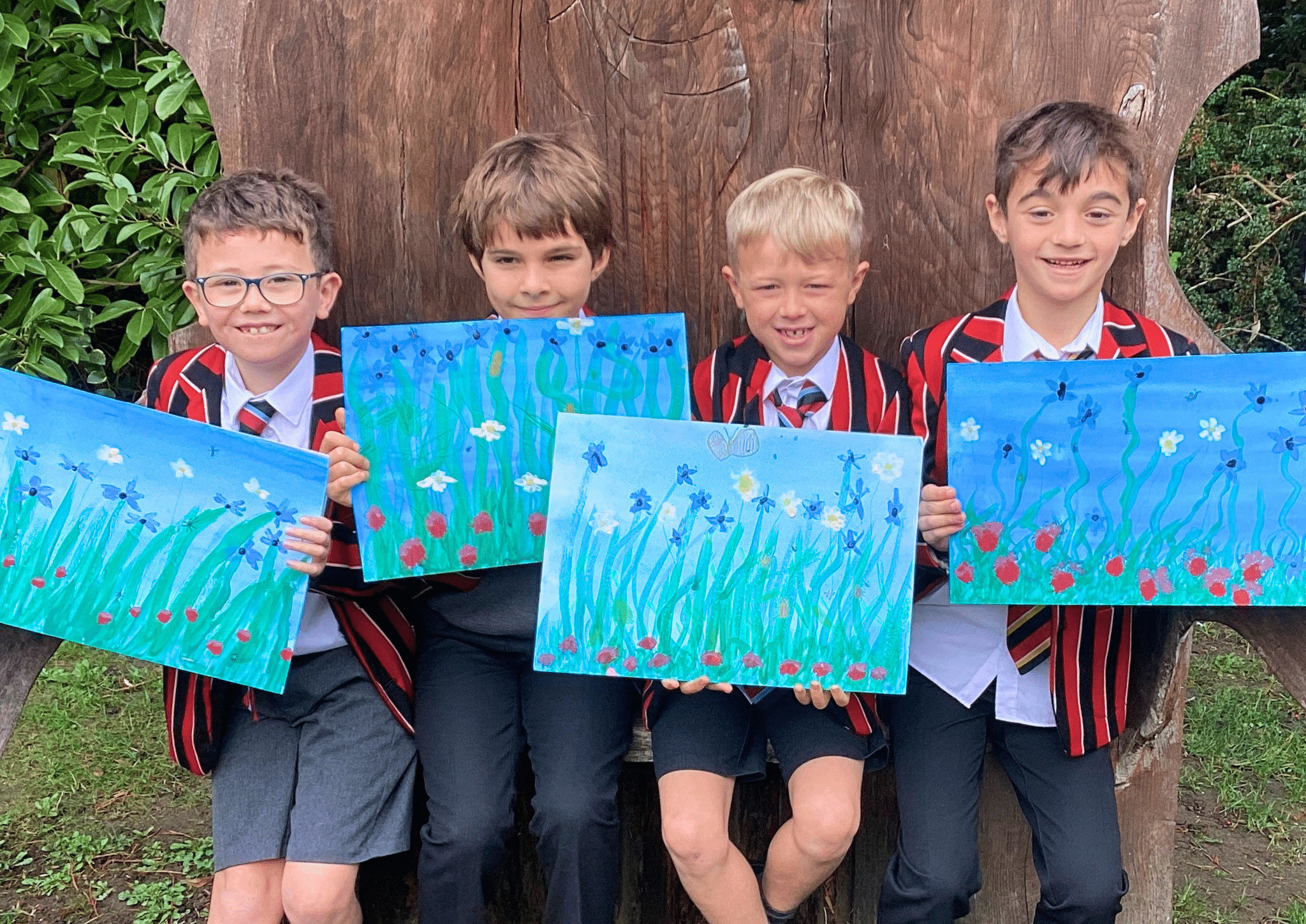
“Year 3 and Year 6 have completed their painting projects in Art this week. Year 3 have been learning about colour theory and the French Impressionists and have enjoyed mixing their own paints before creating meadows inspired by the work of Claude Monet.
Meanwhile, Year 6 have been experimenting with a range of watercolour skills and techniques while learning about the Lakeland landscape artist William Heaton Cooper. Through their studies, they have developed their understanding of how artists use colour, texture and composition to capture the beauty of the natural world.
In Art, we explore how painting can support our mental health and wellbeing. Creative activities such as painting can help us feel calm and relaxed, providing a valuable opportunity to slow down and express ourselves when life feels busy or stressful.”
Science in Focus
Mrs Pritchard writes,
“Year 3 have begun exploring healthy eating and the different food groups. They have been learning about the importance of a balanced diet and considering how different types of food contribute to keeping our bodies healthy.
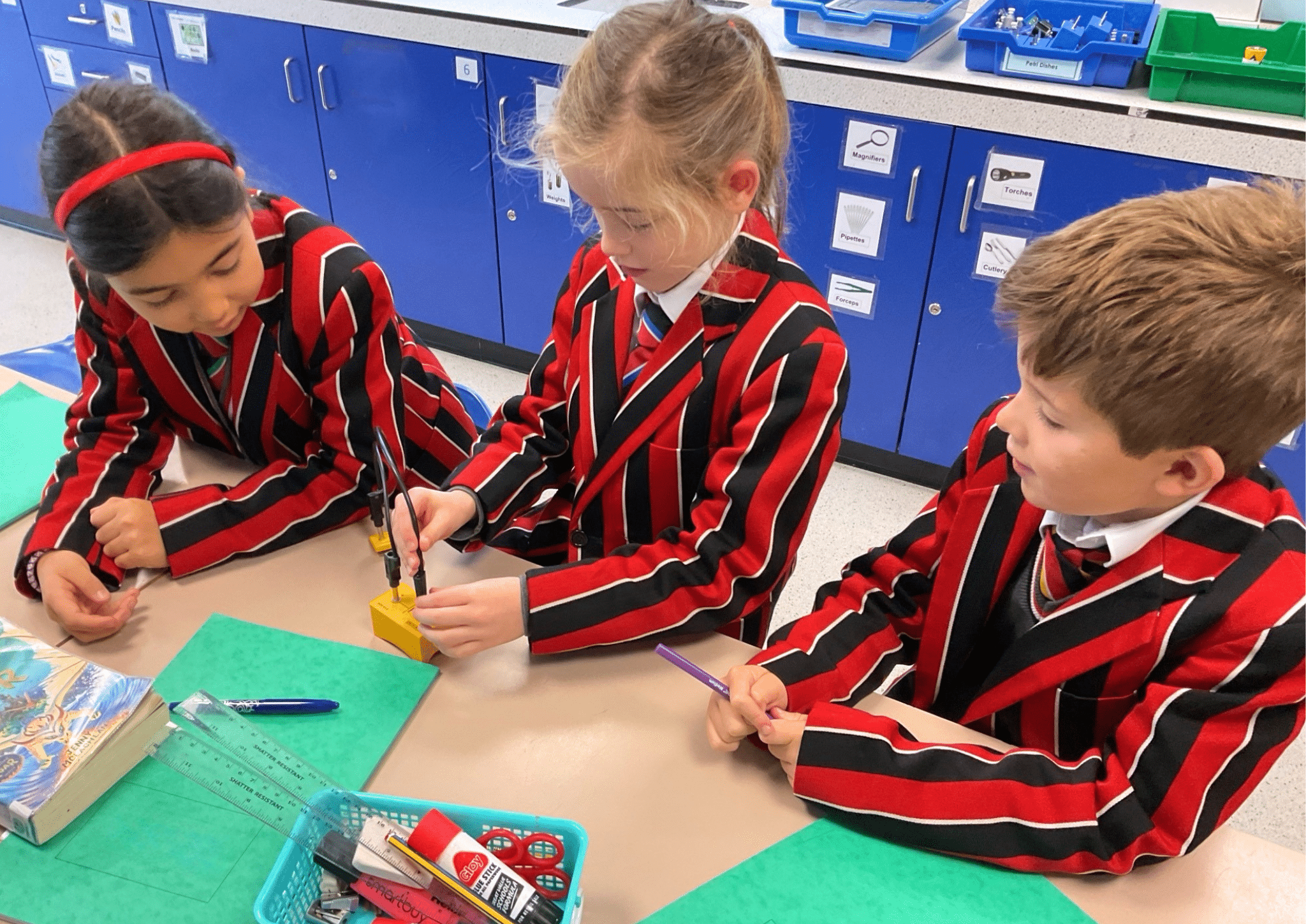
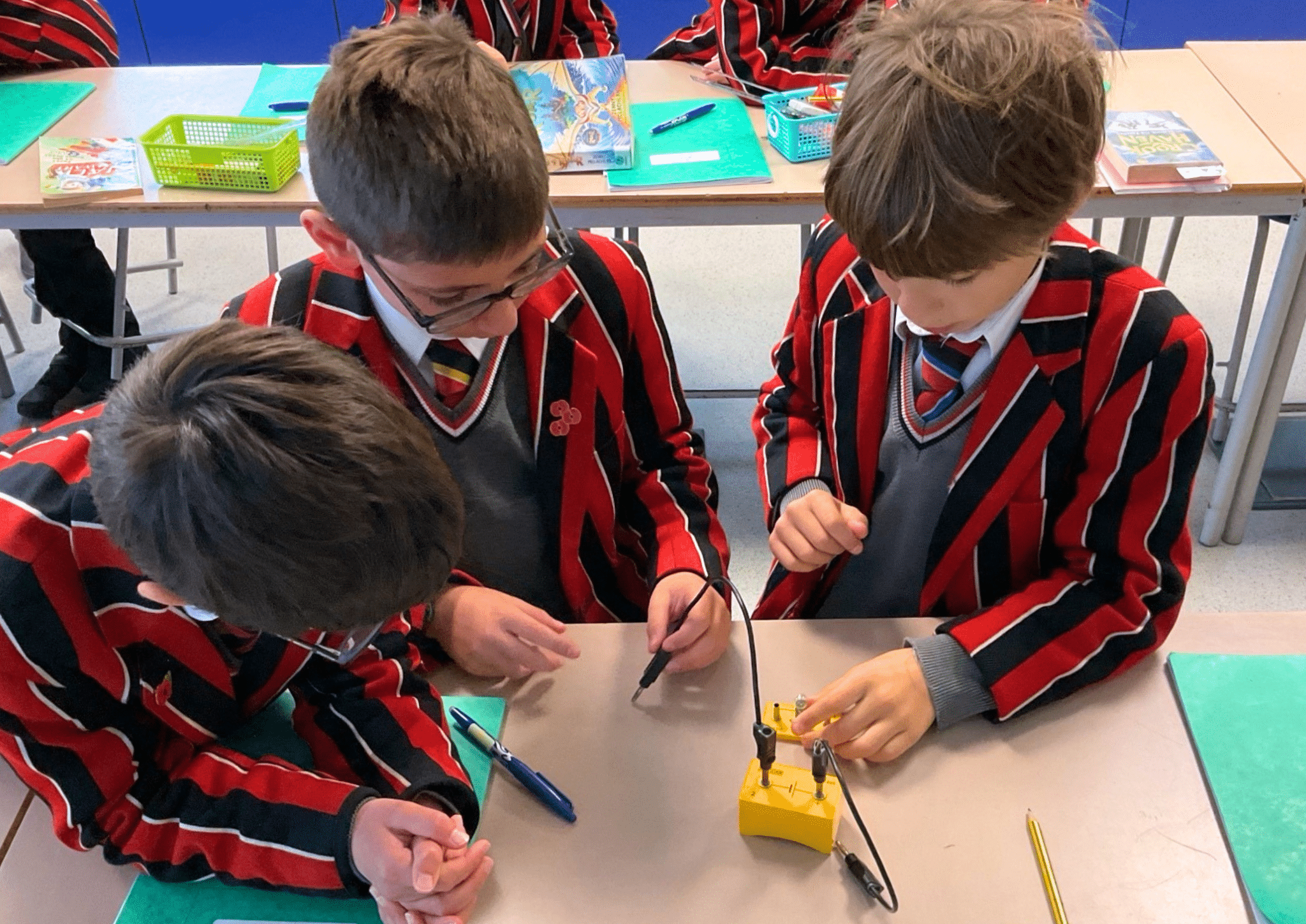
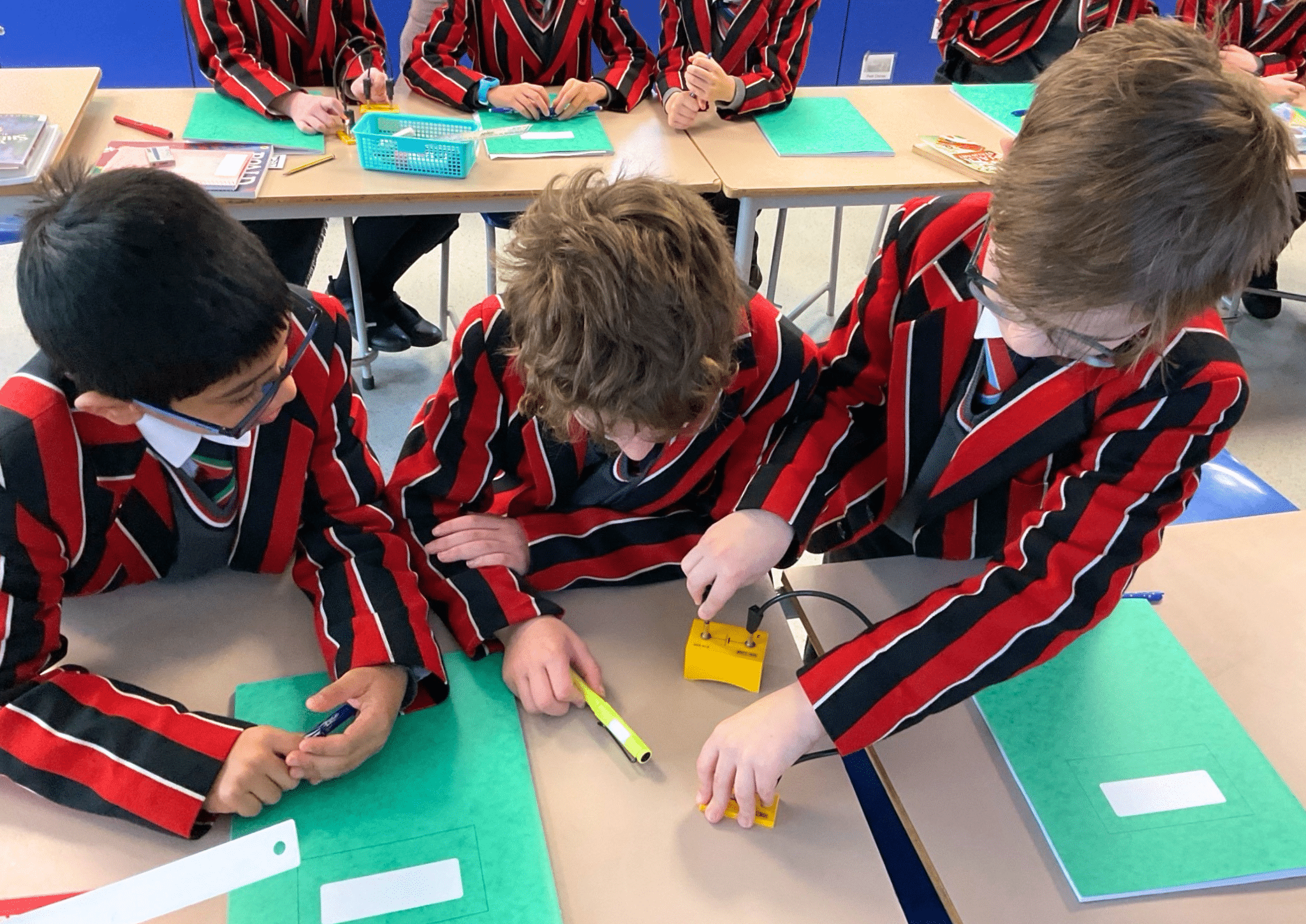
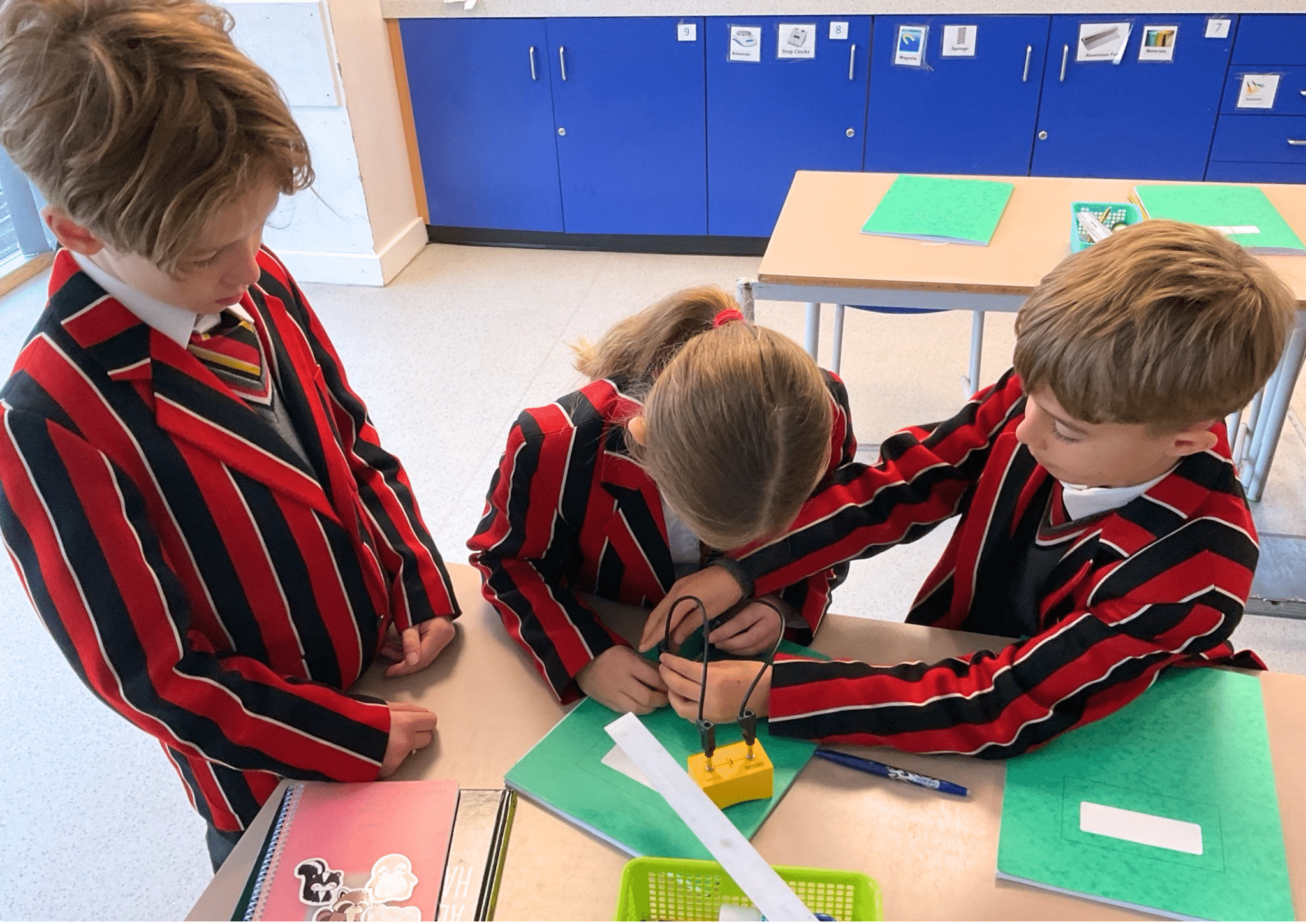
Year 4 have continued their work on electricity, moving on to electrical circuits. Pupils have been learning to recognise circuit symbols, draw accurate circuit diagrams and then put their knowledge into practice by creating a complete circuit using wires, a cell and a bulb. It was lovely to see theory being brought to life through practical investigation.
Year 5 have been investigating food pyramids and feeding relationships, and particularly impressed both Miss Dow and me with their ability to make links between the structure of a food pyramid and the feudal system. This provided a wonderfully imaginative way of thinking about the different levels within a feeding relationship. Pupils have also been exploring endangered species and considering the consequences that the loss of a species can have for biodiversity and the delicate balance within a habitat.
Year 6 developed their microscopy skills by carefully preparing slides using onion epidermal cells. After observing the cells under the microscope, pupils produced detailed biological drawings before taking their work a step further and using magnification to calculate the actual size of a cell. Some impressive scientific and mathematical thinking was on display!
Year 7 have continued their study of respiration, investigating differences between inhaled and exhaled air. Pupils used pie charts to compare the proportions of different gases, investigated the effect of exhaled air on limewater as a test for carbon dioxide, and modelled the composition of blood. These activities helped pupils make links between breathing, gas exchange and the transport of substances around the body.
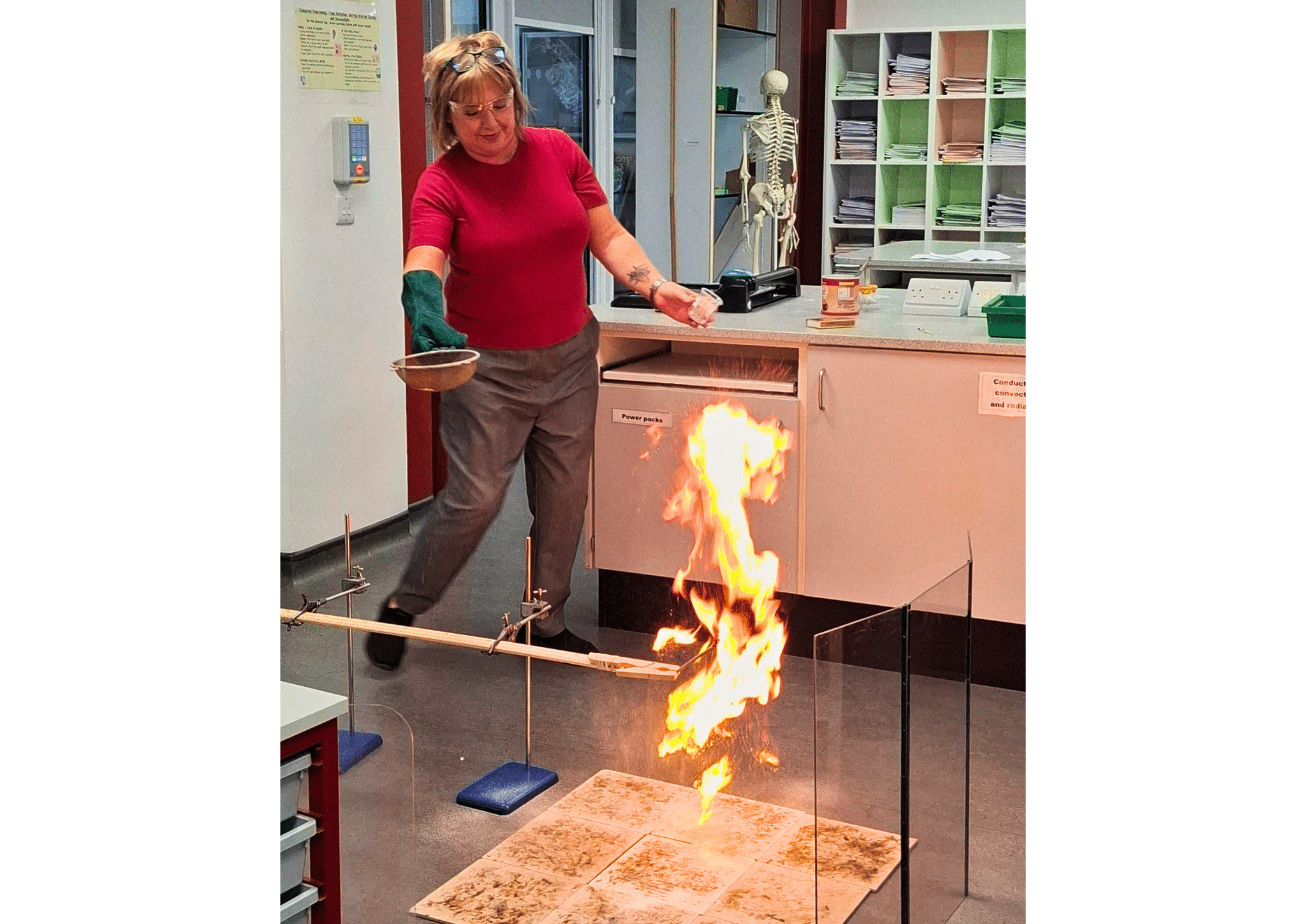
Year 7 began their new topic on respiration in suitably memorable fashion last week, with an impressive demonstration exploring the energy stored in coffee whitener. It certainly brought the idea of energy release to life! Please click the button below to watch the video of it on YouTube.
Finally, Year 8 delved further into the theory of refraction, investigating how the medium through which light travels affects the path of a light ray. Pupils applied their understanding to construct increasingly sophisticated ray diagrams, accurately identifying the incident, refracted and emergent rays and using these diagrams to explain how light changes direction as it travels between different materials.
Another fantastic week of curiosity, practical discovery and increasingly ambitious scientific thinking across the year groups.”
Year 8 Practice Interviews
Year 8 pupils have been taking part in practice interviews this week in preparation for senior school entrance assessments next term. This is part of our careers and personal development programme and provides pupils with an opportunity to develop their communication skills, build confidence and practise speaking about themselves, their interests and achievements in a more formal setting.
Pre Prep Eco Committee
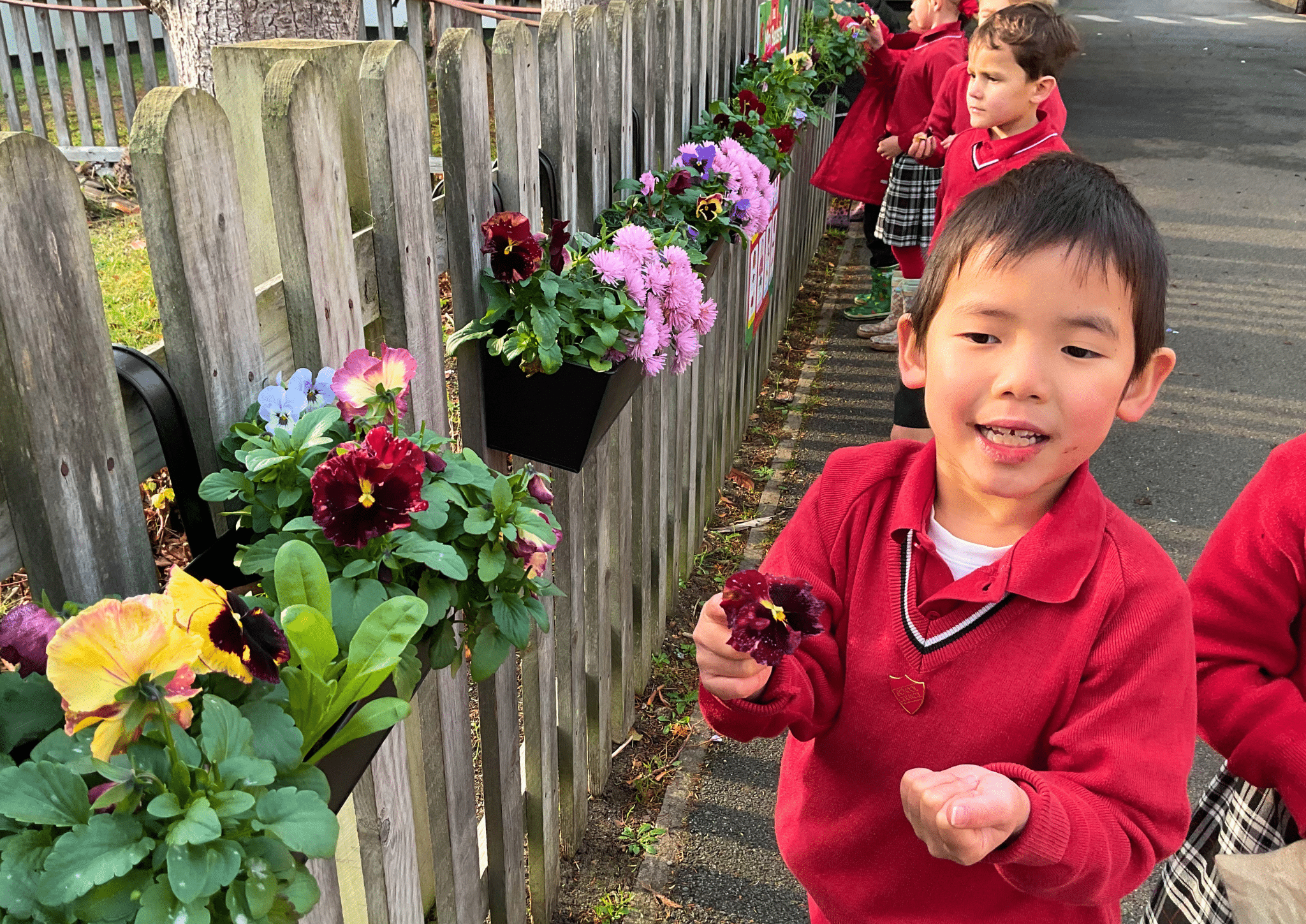
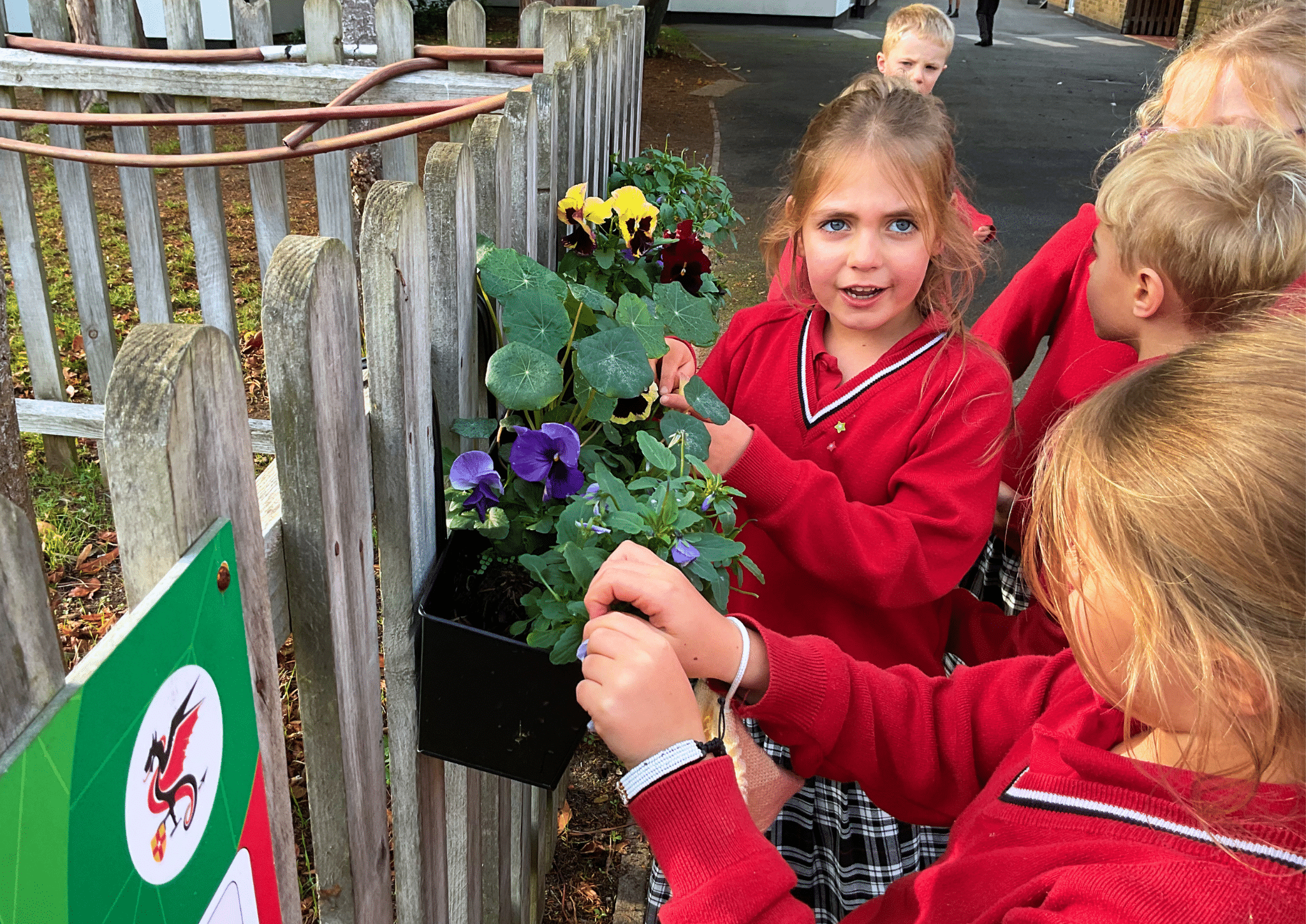
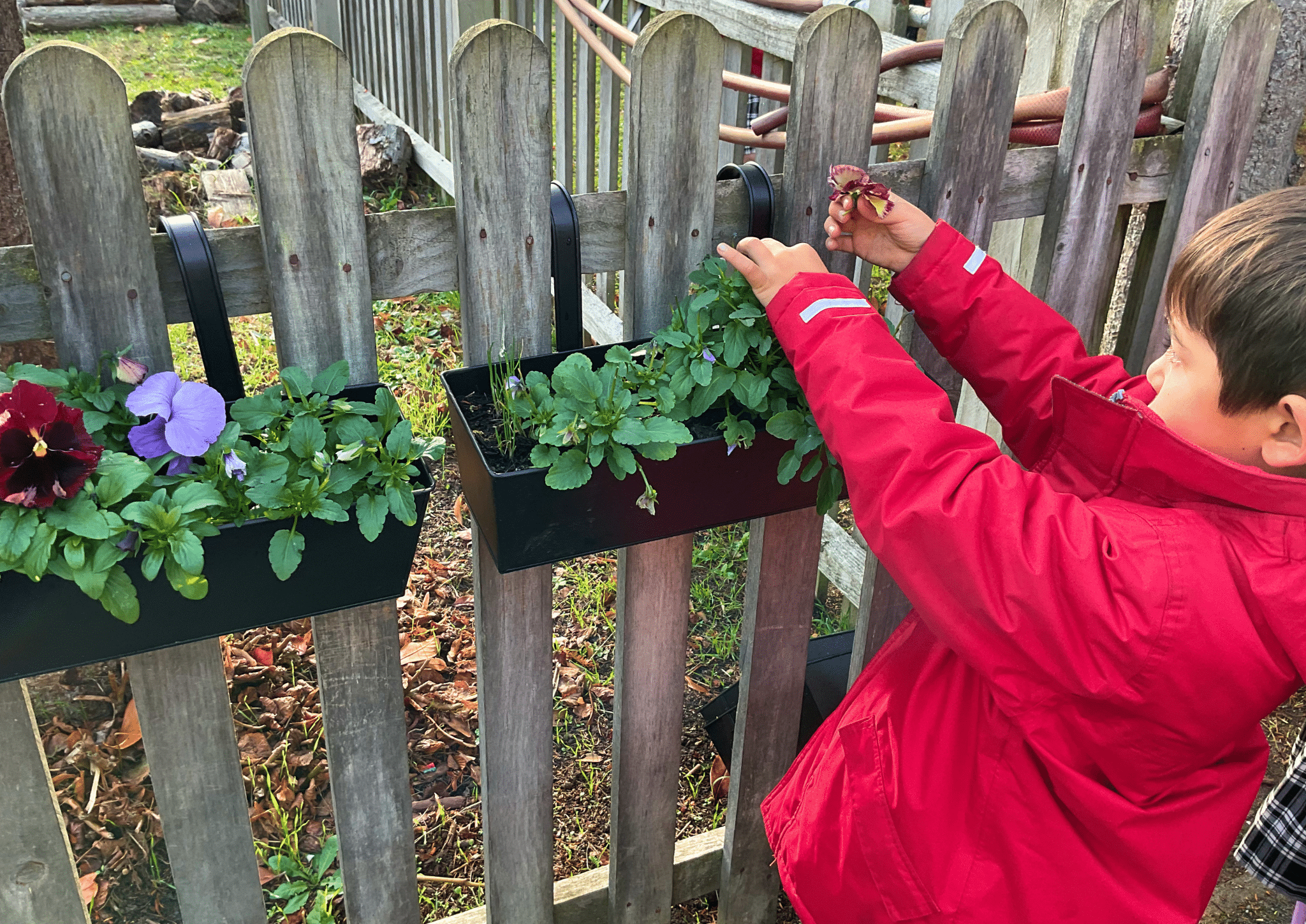
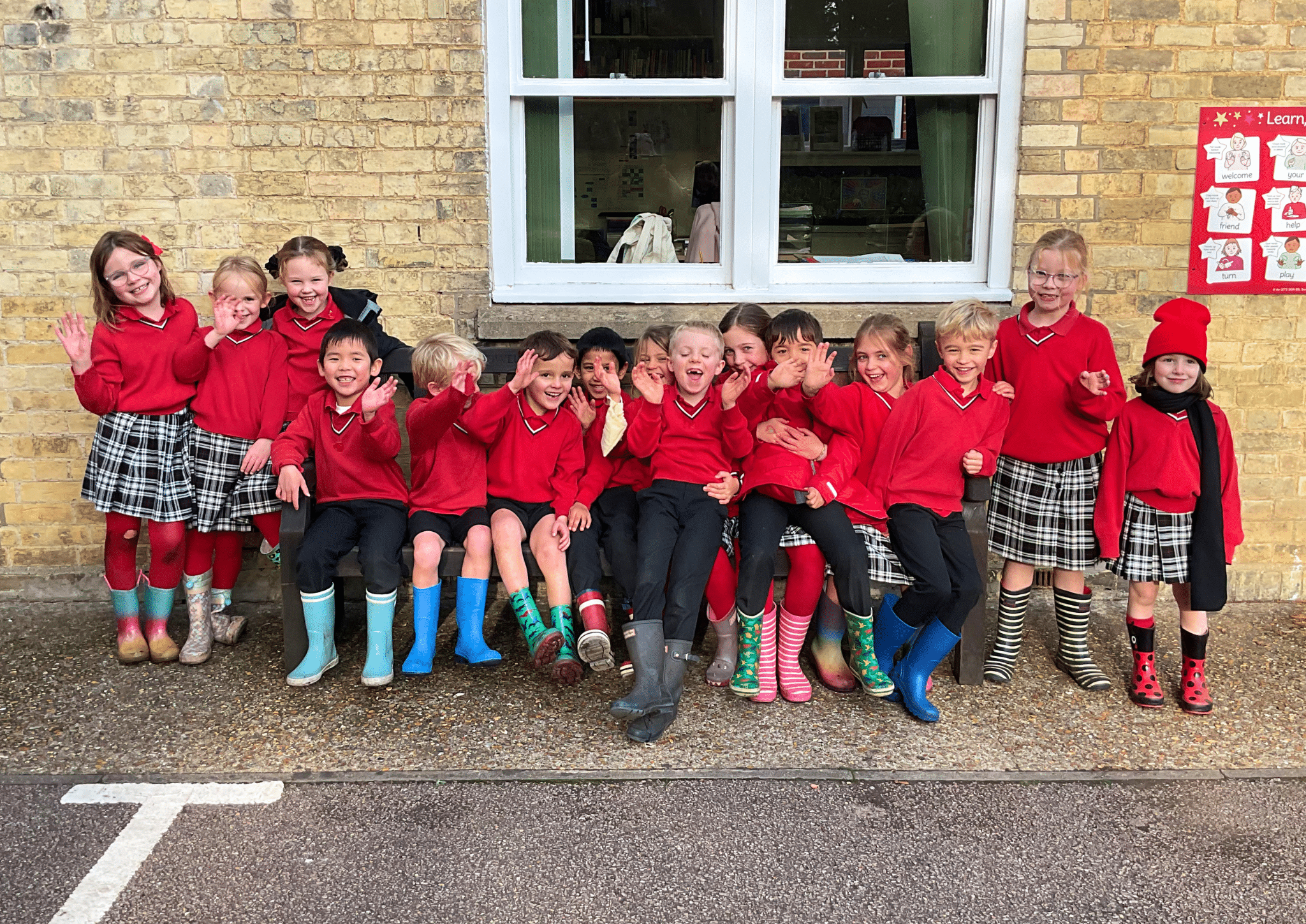
On Tuesday, our youngest Eco assistants learned about deadheading flowers and how it helps create healthier plants.
World Diabetes Day
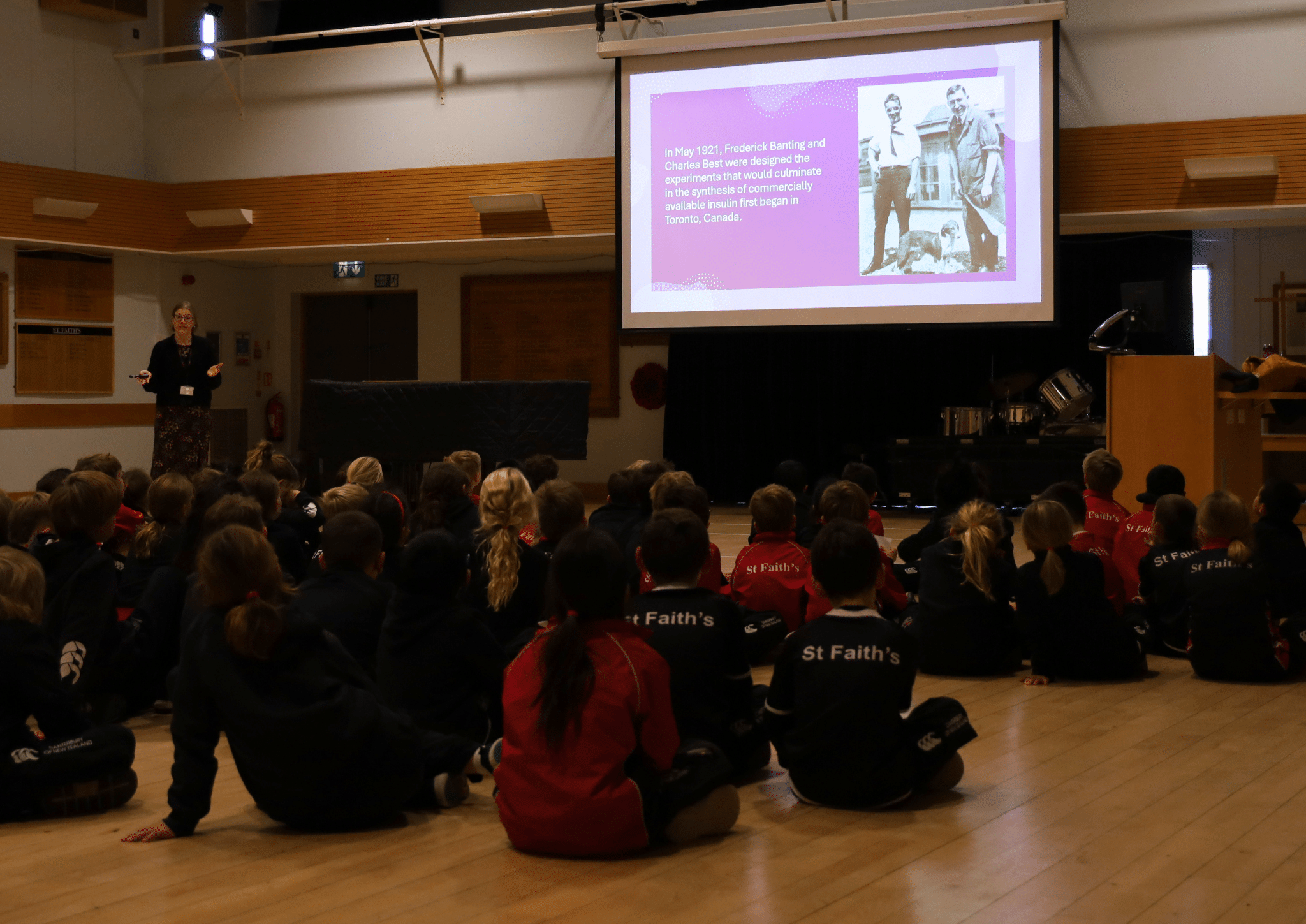
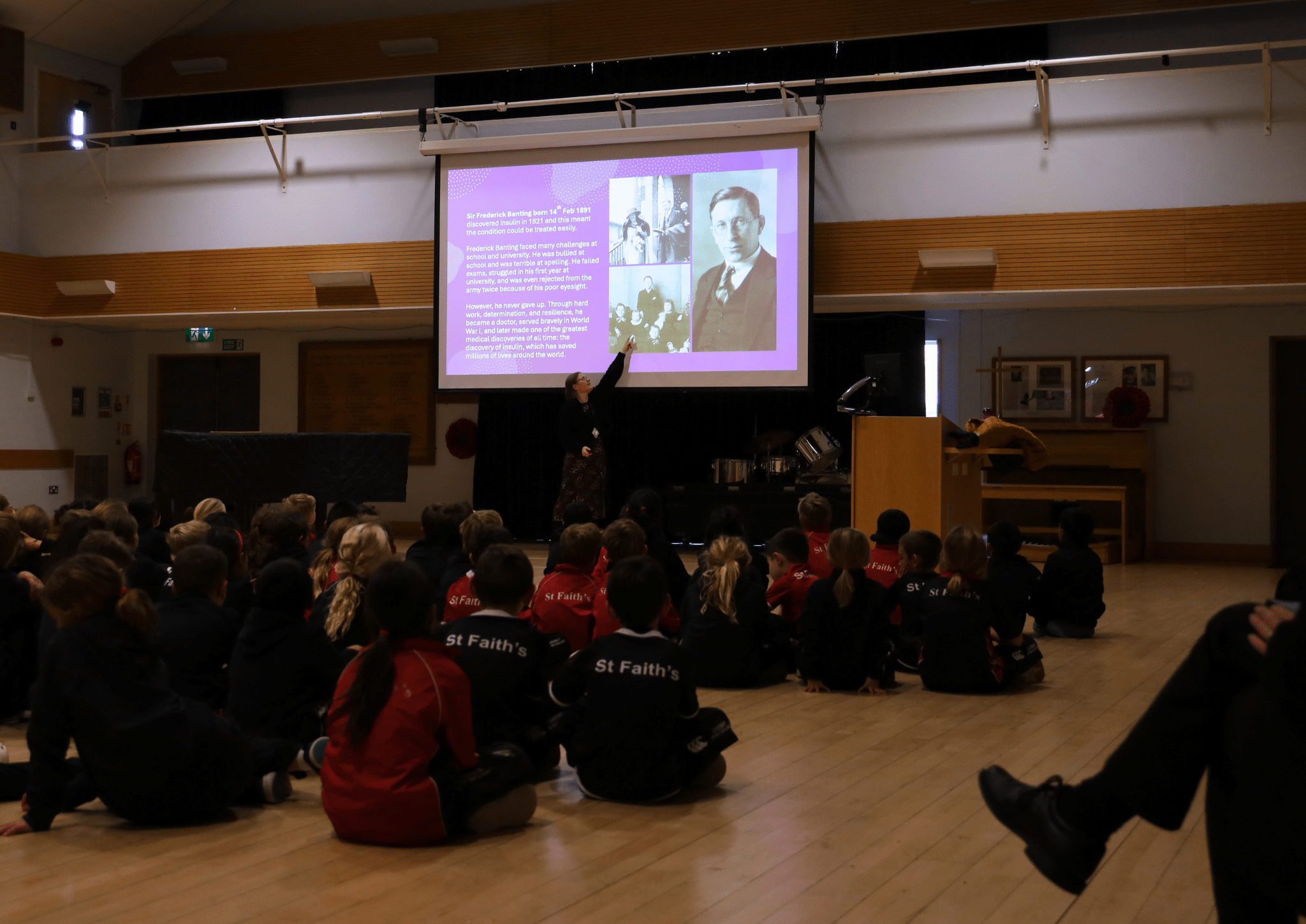
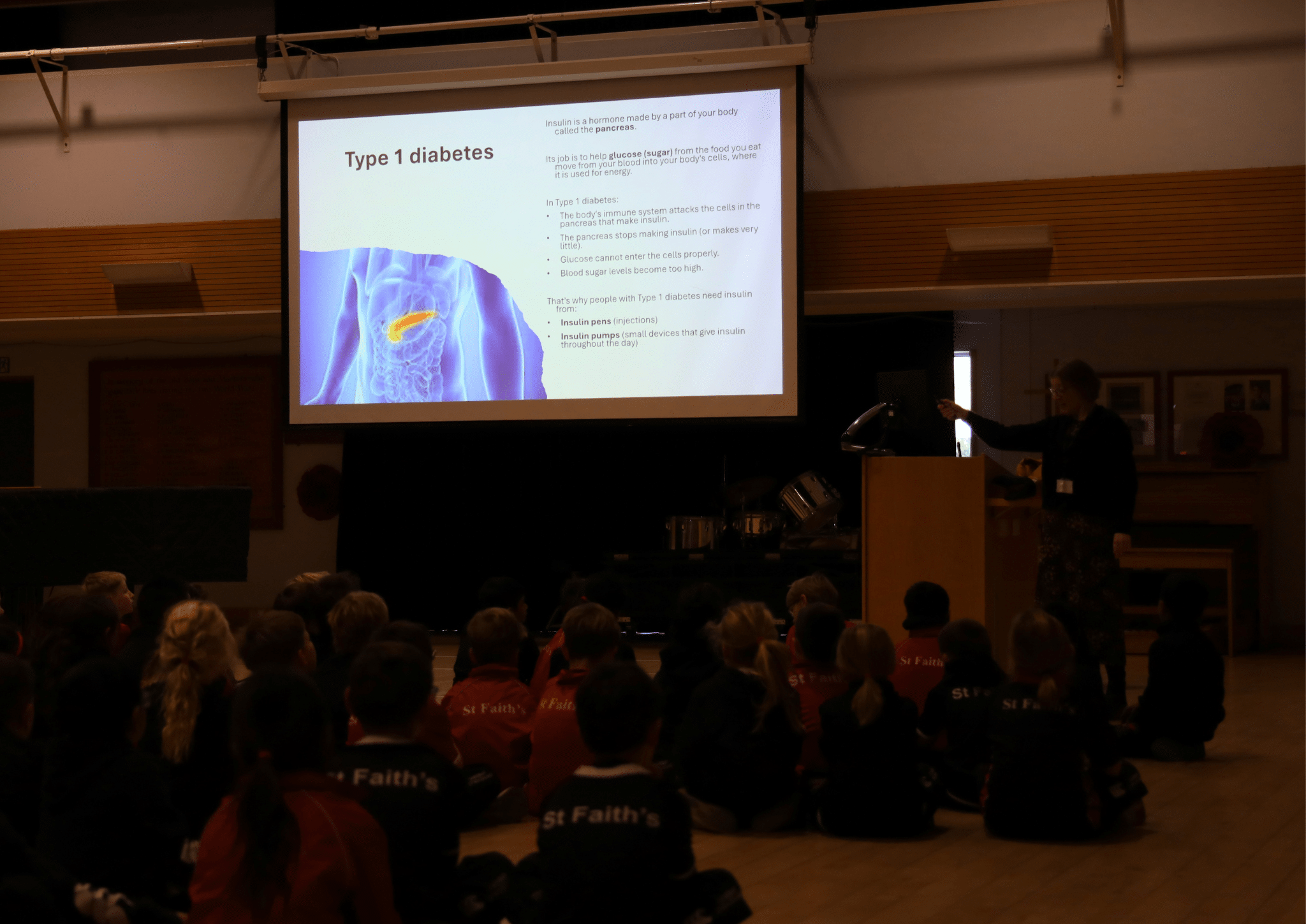
This Saturday is World Diabetes Day, which was the focus of the Years 3 and 4 assembly today.
And Finally…
This evening, the Sports Hall will host a lively five-a-side football match between Old Fidelians, parents and staff. It promises to be an enjoyable occasion, with some friendly rivalry on the pitch and plenty of support from the sidelines. I am looking forward to seeing many of you there and am grateful to everyone who has helped organise the event.
I hope you enjoy the evening and wish you all a relaxing and enjoyable weekend.
With all best wishes,

Crispin Hyde-Dunn